
Documentary: Re-rooting: Indigenous Perspectives on Just Transitions
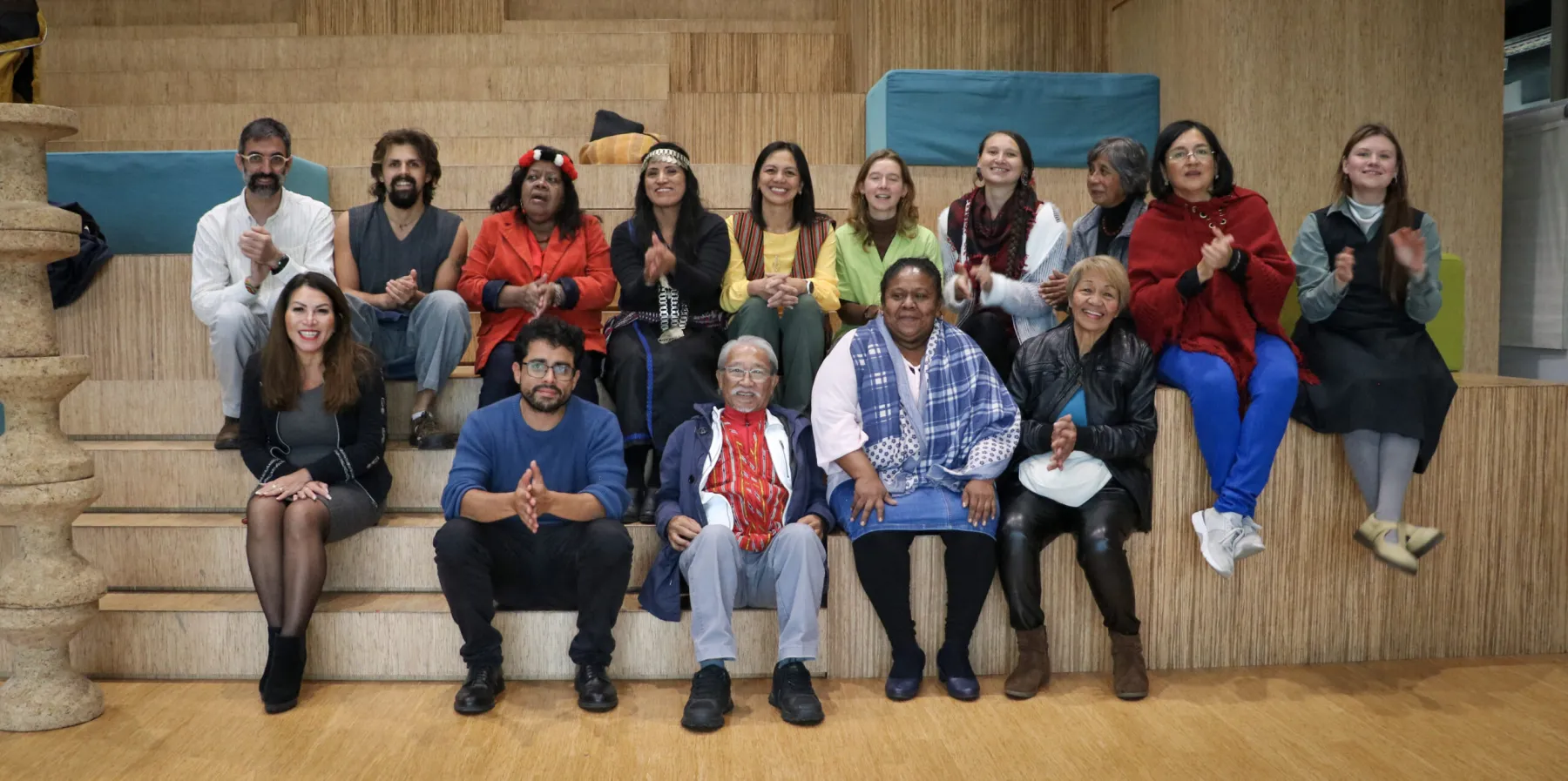
What if the climate transition were guided by Indigenous principles? ‘Re-rooting’ is a co-created documentary and a collaborative dialogue initiative that came about through a partnership between Myra Colis, Anna Melnyk, Laure Herpain and the ‘Indigenous Liberation Month × Just Transitions’ working group of the KIN-Pact network.
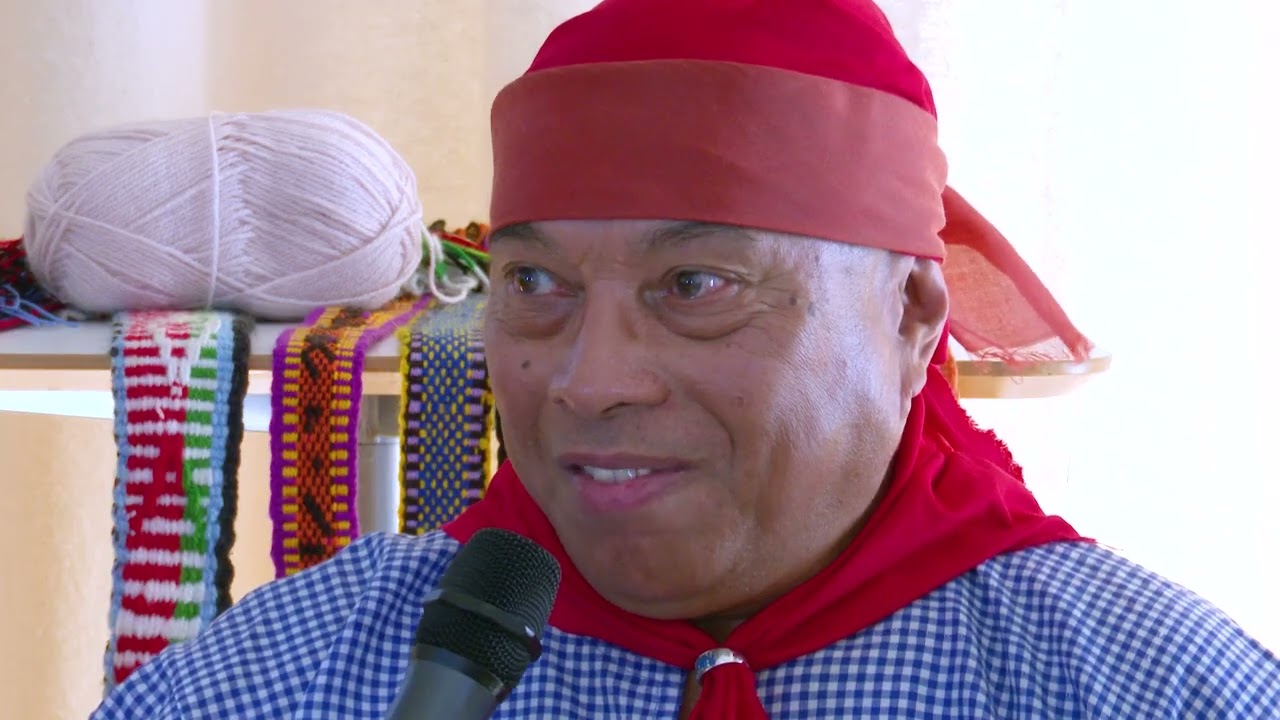
A co-created documentary and dialogue initiative on Indigenous principles for just climate futures
More than a documentary, Re-rooting is a space for listening, dialogue, and collective reflection on Indigenous knowledge, climate justice, and the futures we choose to create together.
The initiative arose from a shared commitment to creating spaces where Indigenous knowledge, academic research, artistic practice and life experience can come together in dialogue. Rather than speaking about Indigenous communities, Re-rooting was developed in collaboration with Indigenous staff through a process based on reciprocity, trust, mutual learning and co-creation. Through conversations, stories and collective reflection, the documentary explores how Indigenous principles of reciprocity, responsibility, intergenerationality, relationality and interconnectedness can inspire more just approaches to climate action, sustainability transitions and our relationships with one another and the more-than-human world.
Rather than offering definitive answers, the documentary invites viewers to reflect on whose knowledge is recognised, whose voices shape decision-making on climate and environmental issues, and what it means to imagine a climate future rooted in justice.
Voices
The documentary highlights the voices and experiences of indigenous knowledge holders, community leaders, researchers and practitioners:
- Sarah Pardede (indigenous Toba Batak)
- Semuel Sahureka (indigenous AlifURU)
- Myra Colis (Igorot)
- Carolina Sanchez De Jaegher (scientist of Indigenous descent)
- Skylar Joseph (Sicangu Lakota)
- Diana Vlet (Lokono & Warao)
- Cesar Taguba (Igorot)
- Audrey Christiaan (Kariña)
- Yvonne Belen (Igorot)
- Etta James (Arawak)
- Fatima Delgado Medina (lecturer and researcher)
- Anna Melnyk (climate ethicist)
Together, these voices offer a collective reflection on justice, solidarity, environmental stewardship and more diverse ways of envisioning our shared climate future.
More than just a documentary
Re-rooting is not only intended to be watched, but also to create space for dialogue. Each screening is accompanied by guided discussions that encourage participants to reflect on Indigenous perspectives, climate justice, decolonisation, technology and the transition to sustainability.
Since its premiere, the documentary has been screened at festivals, in museums, at universities, during conferences and at arts and science events across Europe, where the discussions have become just as important as the film itself.
Screenings have taken place at the Je Geeft me Vlinders Festival (Utrecht), the Social Science and Humanities in Energy Conference 2026 at ETH Zurich, the Breaking Cage Art–Science Residency (France), the Sonneborgh Museum and events organised by the Design for Values Institute at Delft University of Technology.
As one participant remarked:
“If anyone is seeking unity and common ground in the global transition and the freedom of indigenous peoples, this is the most impactful and accessible way to meet, reflect and learn. It is well organised, open and motivating to tackle the challenges. A wonderful way to meet one another and connect with others who value justice and human values.” – Bernhard
Another participant shared:
“The film was thought-provoking and raised a wealth of questions about what it means to incorporate Indigenous perspectives into the green transition. It made me reflect on what counts as legitimate knowledge and what true inclusion looks like. Whether recent efforts to integrate Indigenous perspectives represent meaningful engagement or are merely a symbolic gesture within systems still shaped by Western extractivist ideals. The collective and open discussion following the screening was a highlight in itself.” - Luna Frank
Looking back on one of the guided workshops, Izzy Arrendell wrote:
“The workshop was a wonderful, unifying experience. The film was moving and an eye-opener. It was invaluable to exchange thoughts and discuss the experience with those who so vulnerably shared their stories.”
Continue the conversation
Re-rooting is not only made to be watched, but also to spark a dialogue. Whether you watch the documentary on your own, in a classroom, with colleagues or at a community gathering, we invite you to continue the conversation by reflecting on some of the questions raised in the film.
Questions for reflection
What does a just climate future mean to you, and whose voices shape that vision?
- How do Indigenous principles such as reciprocity, responsibility, intergenerational thinking, relationality and interconnectedness challenge the dominant approaches to climate transitions, or do they actually enrich them?
- What forms of knowledge are often overlooked in decision-making regarding the environment and technology? How might recognising more diverse ways of ‘knowing’ transform these processes?
- How can collaboration between Indigenous communities, researchers, artists, policymakers and practitioners become more just, reciprocal and genuinely co-creative?
- What responsibilities do we have, not only towards future generations, but also towards communities whose land, knowledge and history continue to shape today’s climate challenges?
- What ideas, questions or actions will you take away from watching Re-rooting to apply to your own work, community or daily life?
Re-rooting is intended as a resource for education, public engagement and collective reflection. We encourage teachers, facilitators, researchers, students, practitioners and civil society organisations to use the documentary as a starting point for meaningful conversations about Indigenous knowledge, climate justice and fairer, more inclusive transitions towards sustainability.
Organise a screening and dialogue
We warmly welcome invitations from universities, museums, cultural institutions, conferences, organisations, schools and community groups interested in organising screenings, combined with guided workshops and dialogue sessions. These sessions offer the opportunity to explore the themes addressed in the documentary in greater depth and to foster meaningful conversations across cultures, disciplines and life experiences.
For enquiries regarding screenings and workshops, please contact Myra Colis at colismyra@gmail.com.
Developed in collaboration
‘Re-rooting’ was developed with the support of the KIN-Pact Network grant (NWO) as a co-creative product of the ‘Indigenous Liberation Month × Just Transitions’ network.
The project was led by the MABIKAs Foundation (Myra Colis) in collaboration with TU Delft (Anna Melnyk) and was supported by:
- TU Delft Design for Values Seed Project – Design for Values and Critical Raw Materials: Decolonial Justice Perspectives
- TU Delft Climate Action Programme Seed Project – Making “Colonial Risk” visible in Critical Raw Materials for Climate Transitions
- TU Delft Decolonial Working Group
- The KIN
This initiative was made possible by the generosity, creativity and dedication of Indigenous knowledge holders, artists, researchers, students, facilitators and partner organisations who believed in creating spaces where different ways of ‘knowing’ can meet, learn from one another and shape a more just climate future.
Acknowledgements
Re-rooting is the result of a sincere and collectively created journey. We express our heartfelt thanks to every custodian of indigenous knowledge, every community member, every artist, researcher, organiser and stakeholder who shared their stories, perspectives, creativity and trust throughout this process.
We hope that this documentary will continue to reach diverse communities, spark meaningful conversations and strengthen relationships. And that it will inspire more reciprocal, inclusive and just approaches to shaping our shared future.
Join the conversation
Re-rooting is more of an ongoing journey than a completed project. We are open to opportunities for collaboration with universities, museums, cultural institutions, schools, community organisations, artists, researchers and practitioners who are interested in exploring Indigenous knowledge, climate justice and more reciprocity-based approaches to shaping our shared future.
If the documentary sparks new conversations, collaborations, educational initiatives or community actions, we’d love to hear from you. Together, we hope to continue creating spaces for dialogue, mutual learning and collective imagination, moving towards a more just climate future.
Photo credits: With thanks to Laure Herpain for her beautiful photographs featured in this publication.