KIN makes a significant contribution to the National Climate Adaptation Strategy (NAS’26) with an innovative approach
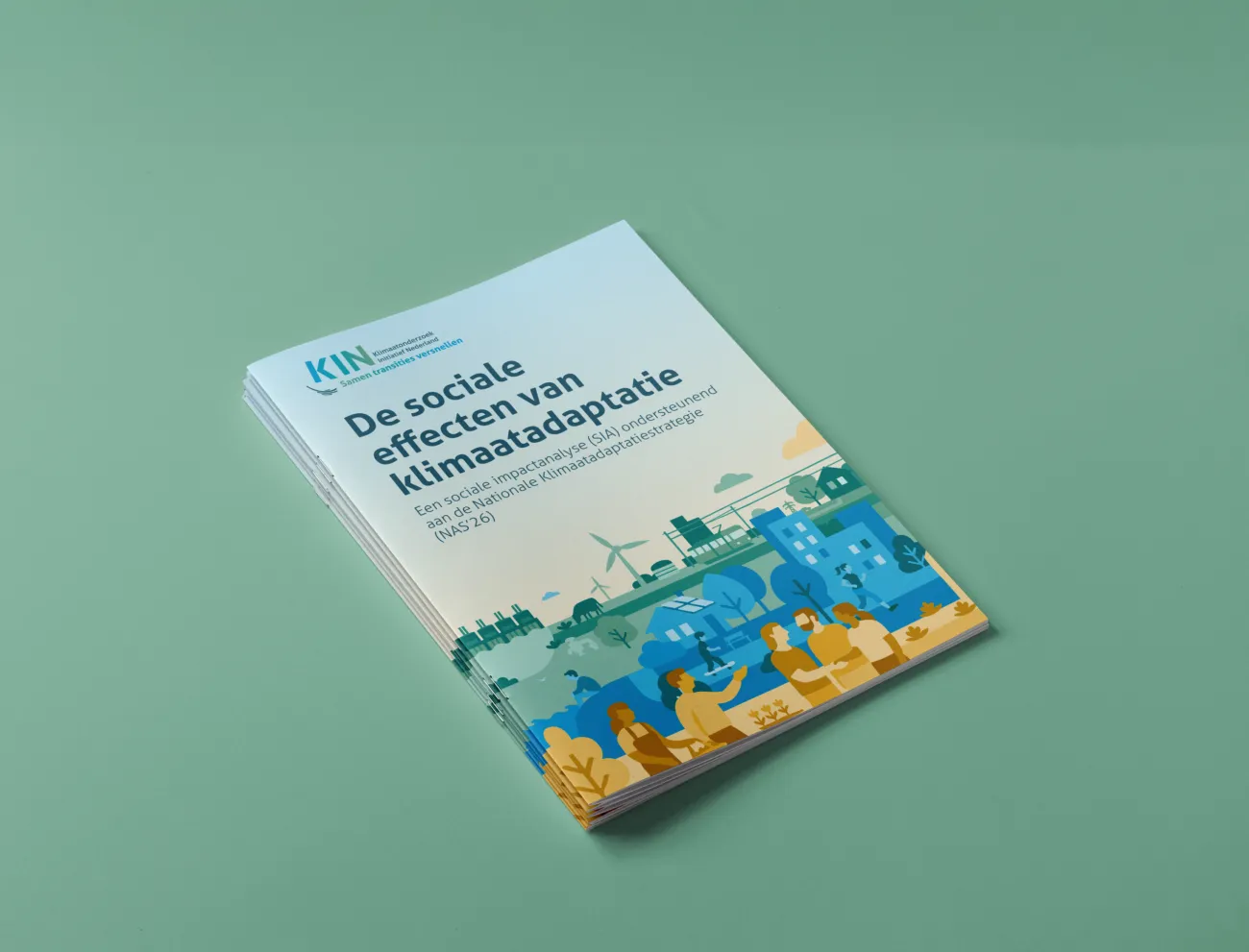
Last Friday, the National Climate Adaptation Strategy 2026 (NAS’26) was discussed in the Cabinet and made public. Commissioned by the Ministry of Infrastructure and Water Management, KIN has developed a new approach for the development of NAS’26. The aim is to ensure that future policy choices are better aligned with practice, whilst also making them fairer and more inclusive. A supplementary social impact analysis provides policymakers, for the first time, with insight into potential social effects prior to and during the policy-making process.
Updated: 08/06: the previous version of this post stated that the social impact assessment covers the Netherlands and the Caribbean. However, this applies only to the National Climate Adaptation Strategy 2026.
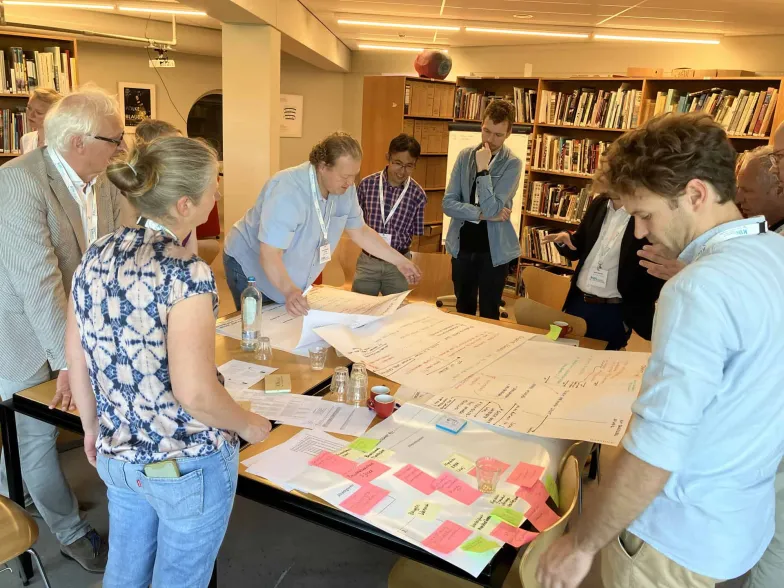
Climate change is radically altering our living environment. To both protect the Netherlands and make it future-proof, a forward-looking National Climate Adaptation Strategy 2026 (NAS’26) is essential. This sets out key choices for the long-term planning of our country as our climate changes. To ensure that the policy choices proposed in NAS’26 are properly aligned with practice, KIN has brought together experts from policy, practice and science, from all corners of the country. In ‘make-atons’ (hackathons with a maker mindset) developed by the KIN, they jointly contributed to the NAS’26. The outcome is a broadly supported, enriched picture of feasible policy choices for a future-proof Netherlands, described in two Adaptation Pathways reports (available in Dutch here and here). Furthermore, an innovative social impact analysis (SIA) identifies potential social effects of these policy choices for policymakers in advance.
A more social and equitable climate adaptation policy
Climate adaptation policy not only affects our physical environment but also has consequences for people. That is why, at the request of the Ministry of Infrastructure and Water Management (IenW), KIN carried out an additional social impact analysis (SIA) for the NAS’26. This SIA offers policymakers the opportunity, for the first time, to steer towards social impacts both in advance and during the policy-making process. Whereas currently, adjustments or remedial action are only possible after the fact. The aim of the SIA is therefore to make climate policy more socially inclusive and equitable.
Expert judgement
The SIA also involved close collaboration between civil society actors, (social) researchers, (central) government officials and experts by experience. The analysis was developed on the basis of literature reviews, practical knowledge and expert judgement. This means that the scientists involved, provide an informed assessment based on their experience and knowledge of the future effects of policy, even when specific scientific sources are lacking. The SIA thus offers a wealth of insights into potential social impacts in the areas of health, social cohesion and socio-economic resilience. Furthermore, the method has been developed in such a way that it can also be used for other policy challenges in the future.
Transforming rather than intensifying
The SIA highlights that a long-term focus is important as a starting point for climate policy. Obvious short-term solutions (intensification) often lead to additional unforeseen societal consequences in the long term. Whereas less obvious, far-reaching and more fundamental long-term solutions (transformation) appear to have positive effects on health and well-being, socio-economic resilience and social cohesion.
From 9 June, everyone will be able to comment on the NAS’26 via Platform Participatie. The strategy will be adopted by the government at the end of 2026.
Related news
Retrospective: What is the social impact of climate policy (II)
What is the social impact of climate policy, for example on health services...
Retrospective: What is the social impact of climate policy?
What social impact does climate policy have, for example, on health services...
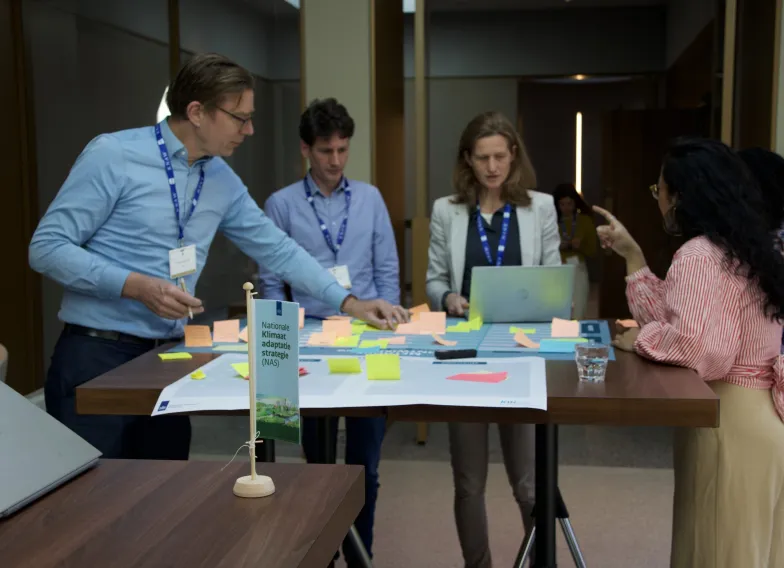
Recap final Make-aton National Adaptation Strategy (NAS ’26): A day full of valuable interaction
On Thursday March 20, the final Make-aton took place as part of the National...

The second round of Make-atons is on!
On 22 January, the KIN organised another Make-aton for the revision of the...
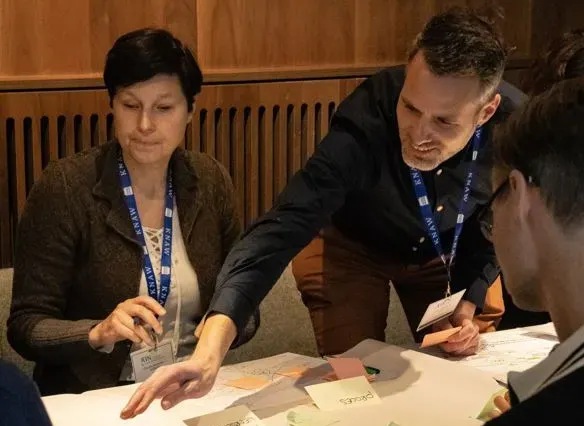
Looking Back at the Third Make-aton: Perspectives from the Core Team and Challenge Leaders
The third and final Make-aton of this year has taken place, and this time we...
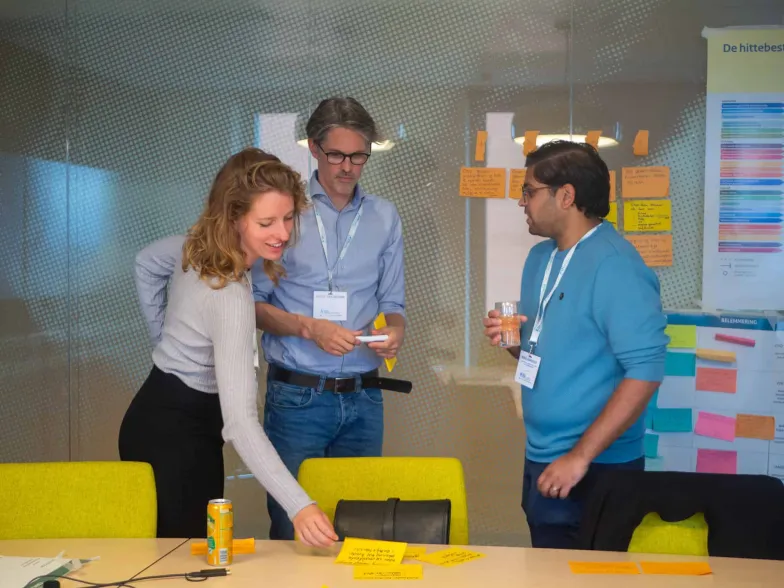
Looking Back at the Third Make-aton: Connections and Cross-Pollination for a Climate-Resilient Netherlands
On 17 October, experts, policymakers, and scientists gathered for the third and...
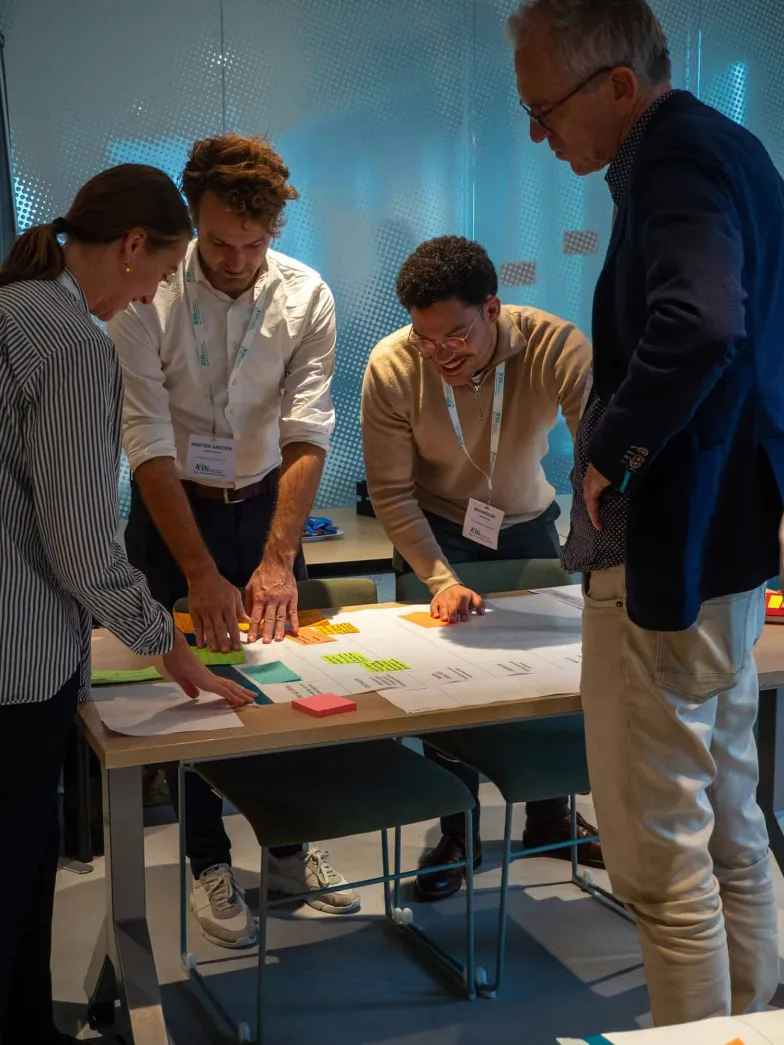
The Make-atons through the eyes of IenW project leader Chantal Oudkerk Pool
In less than a month, it will already be time for the third and final Make-aton...
Reflection on the second Make-aton: pitches, post-its & chips
On June 26th, around seventy enthusiastic policymakers, scientists, and advisors...