The programmes within this programme strand identify knowledge gaps, dependencies and barriers to knowledge transfer that may either accelerate or hinder transitions. Together with local (knowledge) partners from the focus region, the KIN sets the agenda for this. KIN supports the process of analysis, the formulation of knowledge questions, and the development and application of (new) knowledge. We do this by promoting equal partnership, ensuring that climate justice is incorporated into all projects wherever possible, and encouraging co-creation with local partners taking the lead. In addition, KIN aims to foster collaboration between various actors within the system – such as between practice, policy and knowledge – with a particular focus on marginalised groups.
How we work
Climate transitions require changes to our way of life that are necessary to combat climate change and make society resilient to the impacts of a changing climate.
Climate transitions are complex and require a systemic perspective. The path towards the desired systemic climate transitions is not set in stone. The Knowledge-in-Action Approach was developed by KIN to generate new insights, knowledge and actions, using transdisciplinary collaboration to chart this path and, together with practitioners, explore alternatives to unjust and unsustainable systems.
Read more about the Knowledge-in-Action Approach here.
A local perspective in an international context
KIN always seeks to identify local climate issues. Based on these issues, we explore the systemic barriers and opportunities. We define the desired transition and investigate possible avenues for solutions.
Within Global Transitions, we aim to align with national plans and local needs in the region where we launch programmes. We encourage local ownership and seek partners who can take the lead themselves and are not afraid to collaborate with people from different disciplines or backgrounds. We listen carefully to our local partners and, where possible, seek out advisers from the region so that we can determine our course together as much as possible. We also work with an international and diverse programme committee that advises us, puts forward ideas and keeps us on our toes.
Where we work
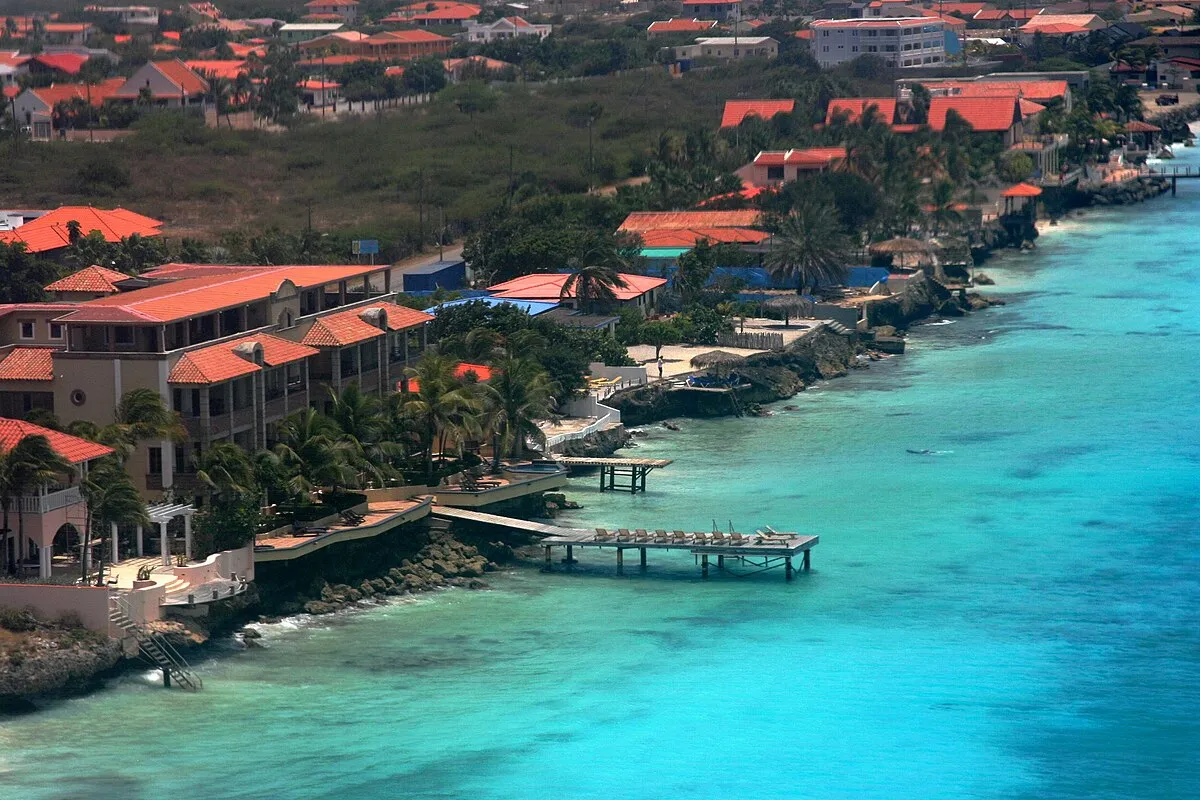
The Global Transitions Programme is currently active in Mozambique and the Caribbean.