The programme diverges from the conventional approach in the Netherlands by eschewing competition in favour of a more inclusive and collaborative approach to research and innovation. This approach is novel and aligns with the urgency of initiating climate transitions. KIN work programmes aim to accelerate the just system transitions needed to make the Netherlands climate-neutral and climate-resilient.
The impact of climate change is becoming increasingly apparent, necessitating innovative approaches to address this challenge urgently. KIN operates with a new research paradigm, shifting the focus from doctoral candidates and postdocs to citizen engagement and policy relevance. Accordingly, the work programmes are based on co-creation rather than the traditional “calls for funding”, emphasizing mission-driven and transdisciplinary approaches where knowledge from both academia and practice converge.
Important Milestone
The initiation of this first work programme follows this innovative research approach and marks a significant milestone for KIN. The programme aims to accelerate just climate transitions by developing local action trajectories and agendas and facilitating collaboration among stakeholders who previously operated in silos, such as residents, housing associations, civil servants, local entrepreneurs, and sustainability professionals.
Marc Dijk, project leader of the first work programme, states: “As a sustainability researcher, I see this programme as a crucial step in deepening the connection between science and society. The new research approach is an exciting development that pushes us out of our ivory tower and deeper into transdisciplinary research.” As an example of this transdisciplinary approach, Dijk highlights collaboration in the programme with the municipalities of Maastricht, Nijmegen, and Rotterdam, where practical knowledge, challenges, and tasks from the municipalities are expected to provide valuable input for the research in the work programme, and vice versa.
From practical challenges to research questions
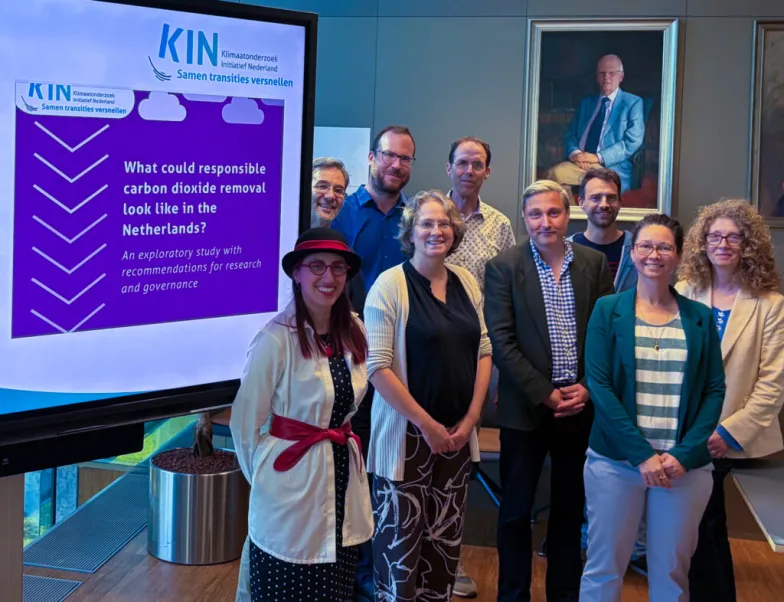
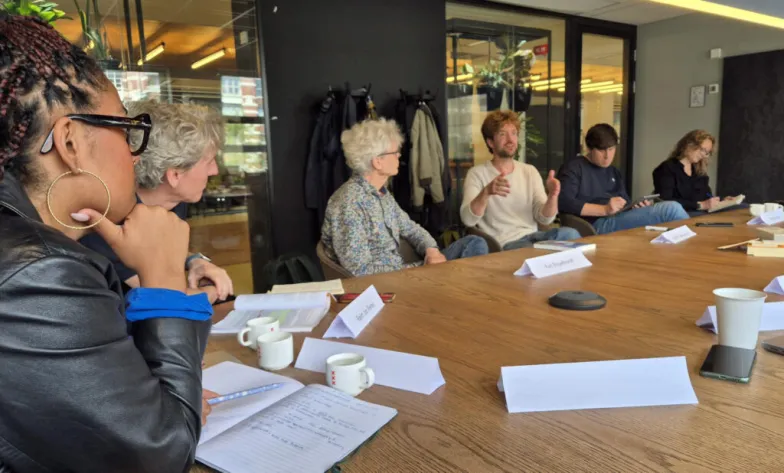
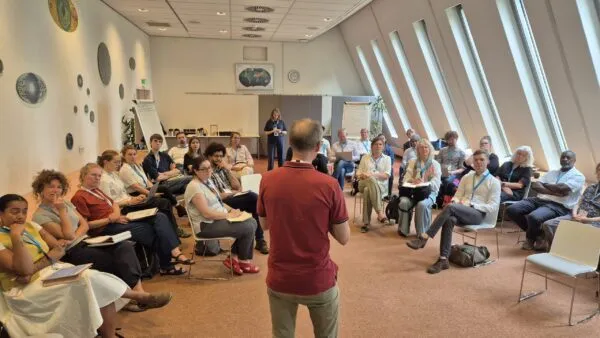
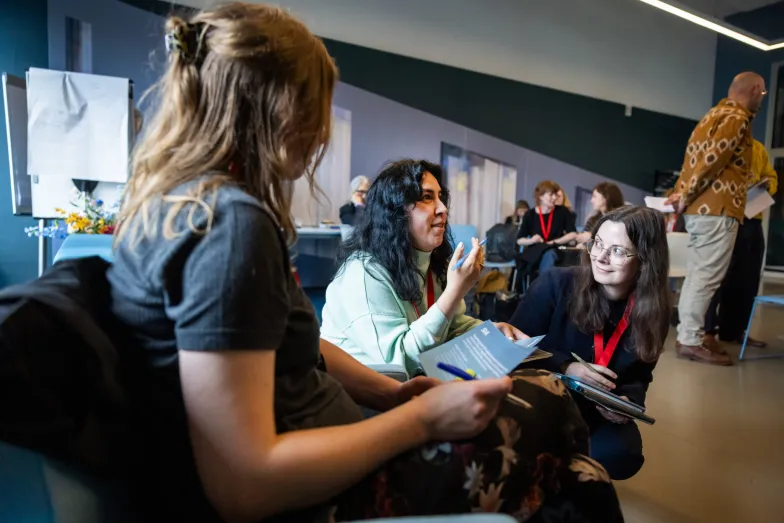
Following the KIN approach, the programme commenced with a concrete and urgent transition needed in the Netherlands: the sustainable transformation of urban neighbourhoods. Subsequently, researchers and stakeholders convened last autumn to develop a joint work programme in a so-called Crutzen workshop. The programme will engage and support local parties and citizens in developing sustainable solutions for a just climate transition. Next steps include defining work packages, elaborating a concrete schedule, and planning meetings with various neighbourhoods. Dijk remarks, “We look forward to collaborating with the diverse stakeholders, translating practical challenges into research questions.”
Climate justice playing a significant role
An important aspect of this inaugural KIN work programme is the significant emphasis placed on the concept of climate justice. This entails a deliberate examination of whether the proposed measures (or research findings) create or intensify societal divides. This is crucial for developing policies that can garner broader support than those solely inspired by technical considerations.
More programmes in the upcoming years
In the upcoming years, KIN will develop more programmes in a similar fashion, utilizing other instruments that may be more grassroots and/or unifying in nature. The underlying theme in all programmes will remain consistent: activities aimed at advancing a climate-neutral, climate-resilient, and climate-just society.
Collaborative partners in alphabetical order:
Amsterdam University of Applied Sciences, Arizona State University, USA, BUas, Centre for Unusual Collaboration, Deltares, Delft University of Technology, Erasmus University Rotterdam, Gemeente Maastricht (City of Maastricht), Gemeente Nijmegen (City of Nijmegen), HAN University of Applied Sciences, Jonge klimaatbeweging (Young Climate movement), Klimaatplein Netherlands, Maastricht University, NIOD, Open University, Postgroei Nederland, Provincie Utrecht (Province of Utrecht), Radboud University, RIVM, Rodenburg Wateradvies, Rotterdam University of Applied Sciences, TNO, The Hague University of Applied Sciences, UMC Utrecht, Utrecht University, University of Groningen, University of Twente, Wageningen University & Research.
About the KIN
The Dutch Climate Research Initiative (KIN) connects, broadens, deepens, and disseminates knowledge for transitions towards a climate-neutral and climate-resilient society. With KIN, we aim to enhance the contribution of science to accelerating system transitions.
Learn more about KIN at www.hetkin.nl/en or visit the web page about ACT for more information on the approach, outcomes, partners, and downloads. Explore the press kit which includes photos of the KIN.