New report guides science sector in becoming more sustainable
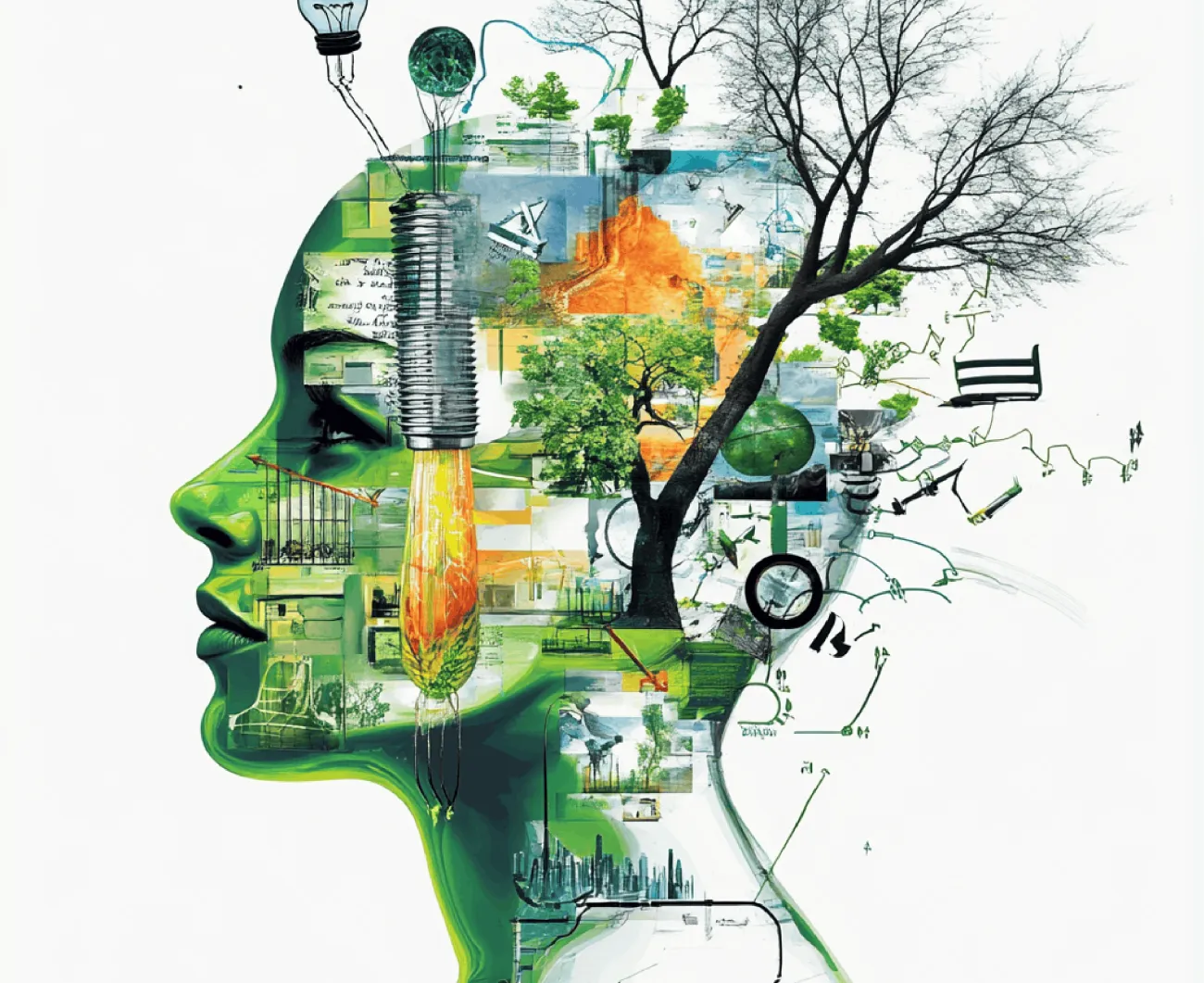
From research institutes, colleges and universities to university medical centers, the knowledge sector is eager to become more sustainable. Commissioned by NWO and the Dutch Climate Research Initiative, and on behalf of the Sustainability Working Group of Dutch universities and universities of applied sciences, the Rathenau Institute and Het Groene Brein conducted a study to determine what changes are needed within the system to make the sector more sustainable. The report identifies the biggest barriers and opportunities, highlights which stakeholders play a key role and outlines what is needed to embed sustainability in education, research and daily practice.

The science sector is fully committed to becoming more sustainable and there are numerous initiatives aimed at achieving this. The recent manifesto ‘Think Sustainable, Act Sustainable‘ has received broad support and initiatives demonstrate that research, education and everyday practices can be carried out differently. However, the study by Rathenau and Het Groene Brein shows that this is a complex systemic challenge. At the same time, the report provides appropriate, transition-oriented guidance.
Integrating sustainability into all core functions
Making the research system more sustainable requires a cultural and systemic shift. After all, it involves more than just sustainable operations. It is crucial to integrate sustainability into all core functions of the research system: education, research and knowledge transfer. According to the study, it is precisely this combination that holds the sector’s potential to contribute to a sustainable, equitable and future-proof society.
Four target groups, four buttons
The transition analysis by the Rathenau Institute and Het Groene Brein was developed through broad consultation with the knowledge sector. The report ‘Making the science sector more sustainable‘ offers guidance for joint reflection, coordination and a path forward. All stakeholders are important to this process: from researchers to funders, from sustainability coordinators to instructors, and from universities and research institutes to universities of applied sciences. The transition analysis invites us to reflect together on opportunities that contribute to the four policy levers that need to be adjusted: coordination (including infrastructure), teacher training and quality assurance, funding and recognition and a shared narrative.
The recommendations are intended for four key target groups: administrators, policymakers and financiers, researchers and educators.
-
Joint follow-up and dialogue session on the 9th of November
The report provides the basis for organizing a unifying framework for collaboration in this large and multifaceted sector. In the coming year, the Royal Netherlands Academy of Arts and Sciences (KNAW), commissioned by NWO and the knowledge sector, will oversee the development of a suitable framework for collaboration on sustainability. To this end, a meeting will be held on November 9 with the relevant institutions to develop targeted follow-up actions for the ‘coordination’ issue identified in the report. You can register for this event using the button below.
More information?
For more information contact:
Mirko Lukács (KIN) m.lukacs@nwo.nl
Anne Marie de Beaufort (NWO) a.debeaufort@nwo.nl
Sascha Jansz (KNAW) sascha.jansz@knaw.nl
Related news
‘Impossible Projects’ workshop: researchers and funders taking on each other’s roles
On May 18, during the SIA conference ‘Research and Creative Practice’ at the...
Green Science Festival: fresh energy for greener research
On 28 May, Green Labs NL and NWO brought together a vibrant and diverse...
Funding awarded to 40 projects from calls under the ‘Science in Transition’ programme
We are happy to announce that 20 projects will receive funding from the...
KIN Creatives Network: the importance of art in the climate crisis
Since its inception, KIN has recognised the importance of imagination...
Call for expressions of interest for KIN Hubs pilot project: regional drivers for fair climate transitions
The KIN intends to issue this call for expressions of interest and invites...

Submit your application for the ‘Sustainable Science Fund’ or ‘Transformative Practices and Processes’
The KIN has opened two new subsidy rounds: the call “Sustainable Science Fund”...

Warning: This is not a typical open call!
The call for Impossible Project Ideas aims to collect ‘unfundable gems’. We want...
Impossible Projects: what if we redesign the way we finance?
What do we consider to be “impossible” ideas or projects to finance within...

THRIVE Purpose Accelerator programme delivers framework and new ‘knowledge brokers’
The harvest of the THRIVE x KIN Purpose Accelerator program? A practical...
Dutch Climate Research Initiative (KIN) enriched with climate scientist Caroline Katsman as scientific figurehead
Professor of Oceans & Climate Prof. Dr. Caroline Katsman has been appointed...
Meet the PhD candidates from the THRIVE Purpose Accelerator programme
On 8 May, the THRIVE Purpose Accelerator programme was launched – an initiative...
Derk Loorbach Joins KIN as Scientific Lead
It’s been a long wait, but it was worth it: we’ve welcomed the scientific lead...