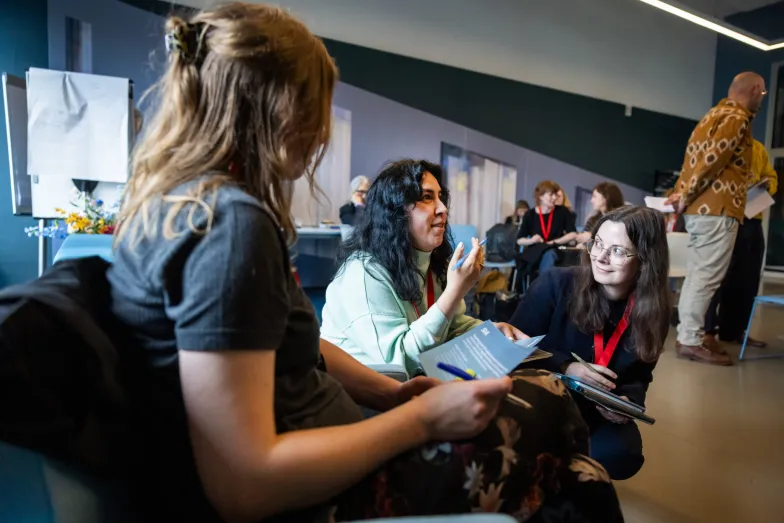
Webinar on the potential of rapid evidence synthesis for climate action on June 26

On 26 June, Science Europe and partners, including KIN, are organising a webinar for researchers, research institutions and decision-makers to explore the potential of rapid evidence synthesis (RES) as a tool for accelerating the uptake of innovations in policy and practice. The aim is to enable scientifically based solutions to flow more quickly to policymakers and other stakeholders involved in climate change mitigation and adaptation.
Related news
Three years of KIN. Three leaders. One mission: to drive and embed the climate transition.
Last Sunday, November 1, 2026, the Netherlands Climate Research Initiative (KIN)...
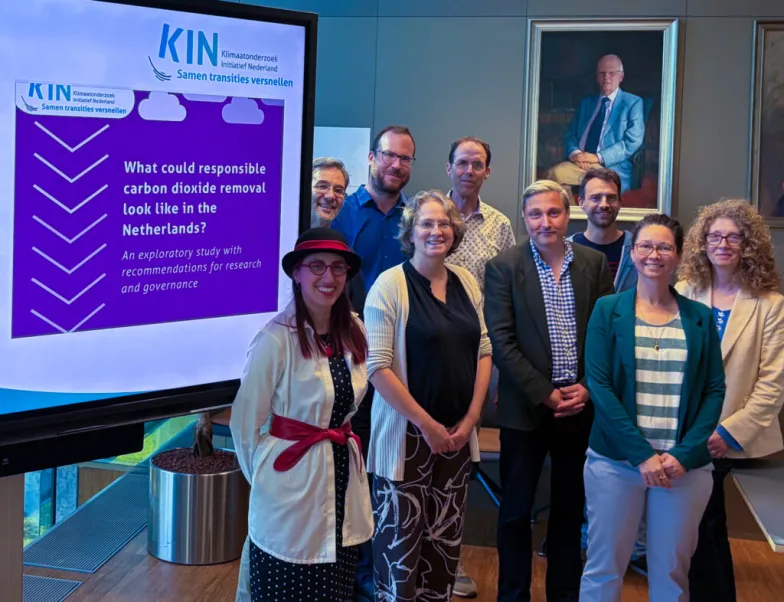
Report examines the environmental and social aspects of large-scale carbon dioxide removal
There is a strong national and international focus on large-scale carbon dioxide...
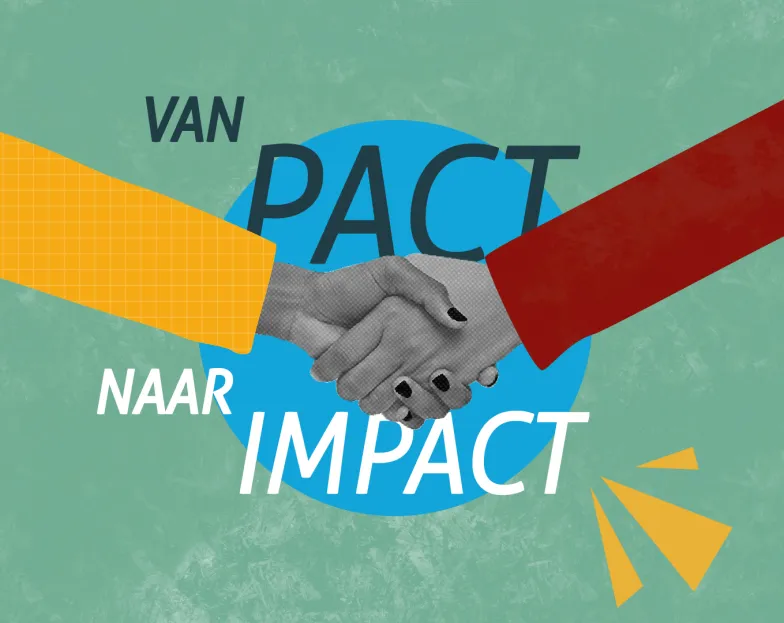
New report guides science sector in becoming more sustainable
From research institutes, colleges and universities to university medical...
Climate knowledge seeks policy maker
How can we make scientific knowledge more accessible to policymakers?
This...
Pick up the phone and call our Hotline for Intangible Impact
When KIN funds projects, supports workshops, events or KIN Pact activities, it...

New opportunity for Caribbean climate transition networks
Express your interest in the KIN Network Funding Caribbean!
Are you working...
Call for stakeholders to contribute to a Dutch version of the IPCC Special Report on Climate Change and Cities
On 29 May 2026, the KIN organised a second expert consultation at the KNMI in De...
Documentary ‘Re-rooting: Indigenous perspectives on just transitions’ is now available online!
‘Re-rooting: Indigenous perspectives on just transitions’ is now available...
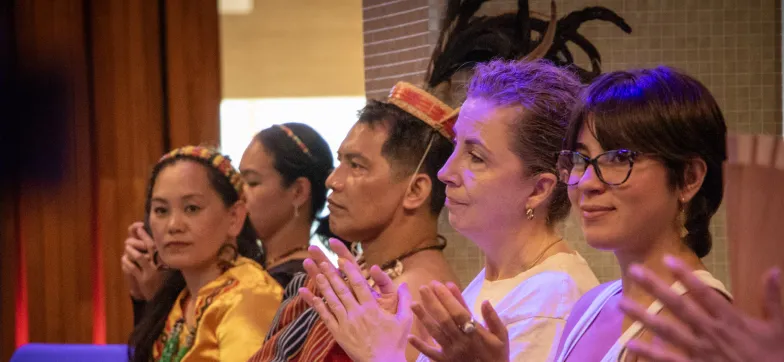
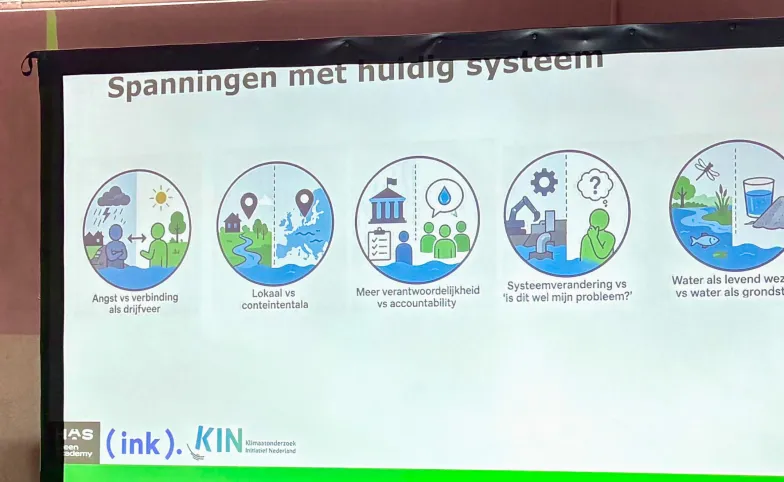
“We need to go to relationship therapy with water”
Over the centuries, our relationship with water has gone completely off the...
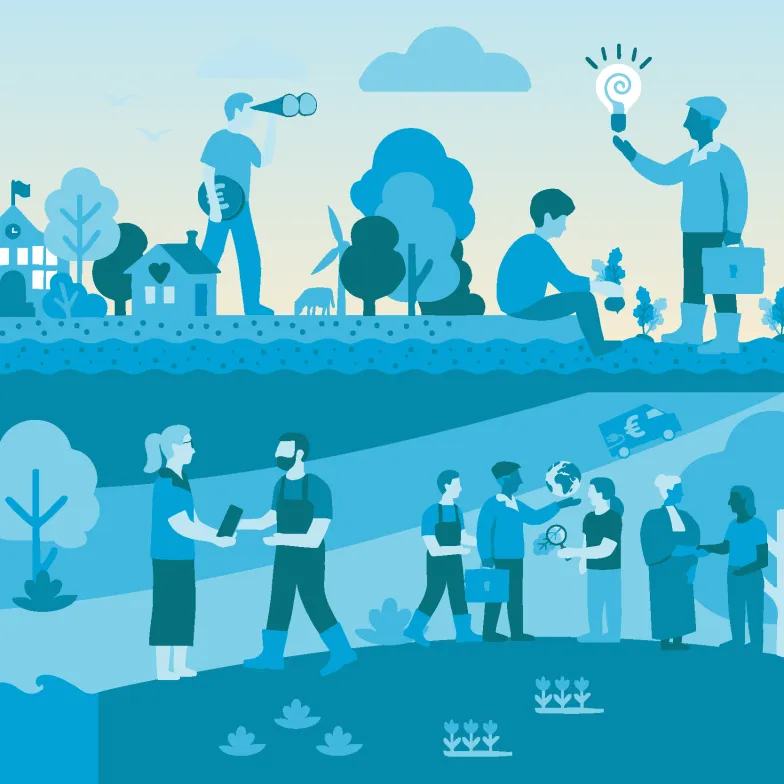
How can our economy contribute to well-being and a liveable planet? 25 projects are shaping the economic transition with the ‘Knowledge-in-Action’ grant
What does an economy look like that is not purely focused on growth, but also...
‘Impossible Projects’ workshop: researchers and funders taking on each other’s roles
On May 18, during the SIA conference ‘Research and Creative Practice’ at the...