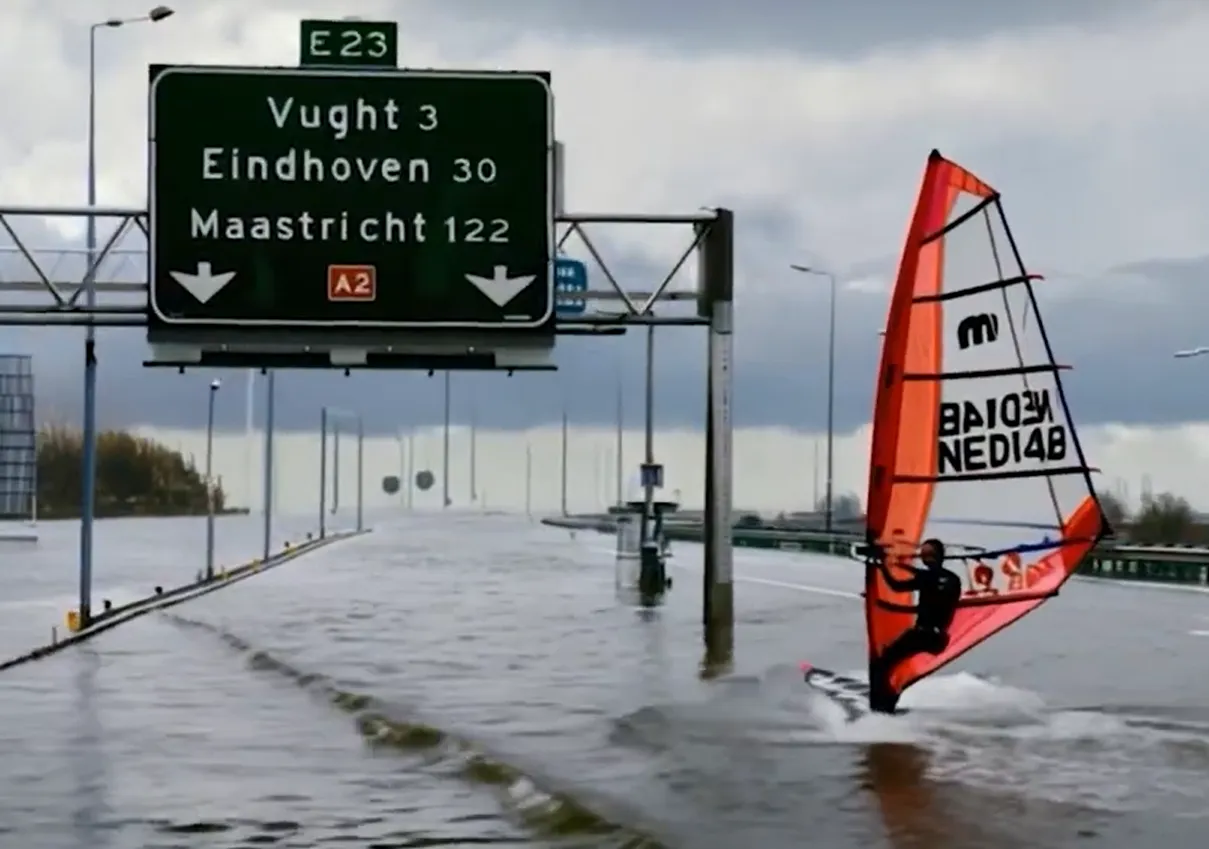
In East Brabant, stakeholders are already experiencing the consequences of climate change first-hand: high water levels, torrential rain and drought are forcing a transition in water management. Our current approach to water management is not equipped to deal with these (weather) extremes. Guaranteeing the safety and quality of water will also come under pressure in the future.
The region is already committed to improving and developing spatial and technical solutions such as storage, management and purification, but the water manager can no longer manage on its own. This means that water management in the Netherlands itself must seek much more cooperation with social parties, but also that society must take much more responsibility and ownership for the water problems that come with climate change.
Starting point for Collective Water Management: the Crutzen workshop
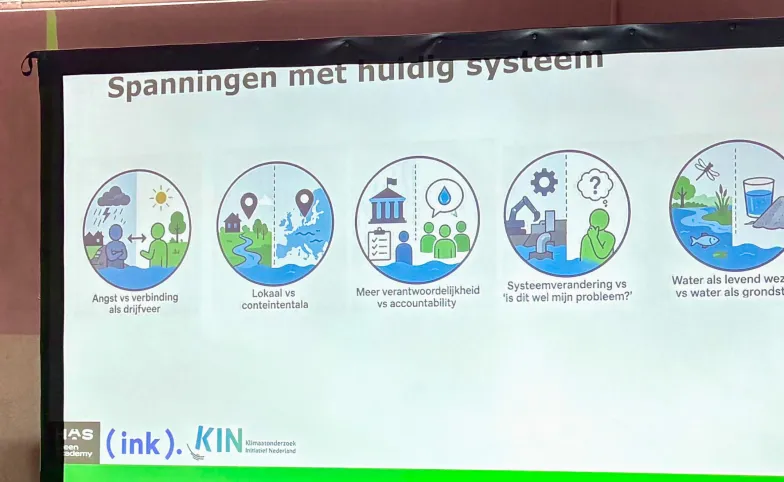
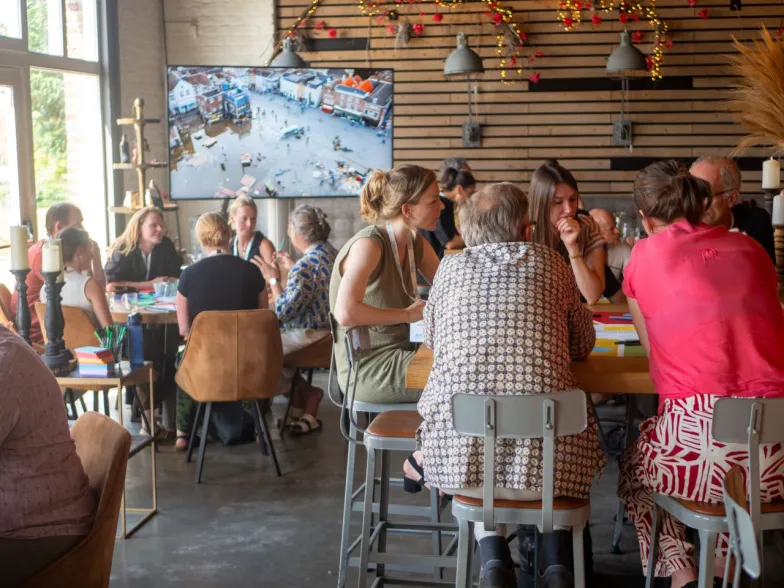
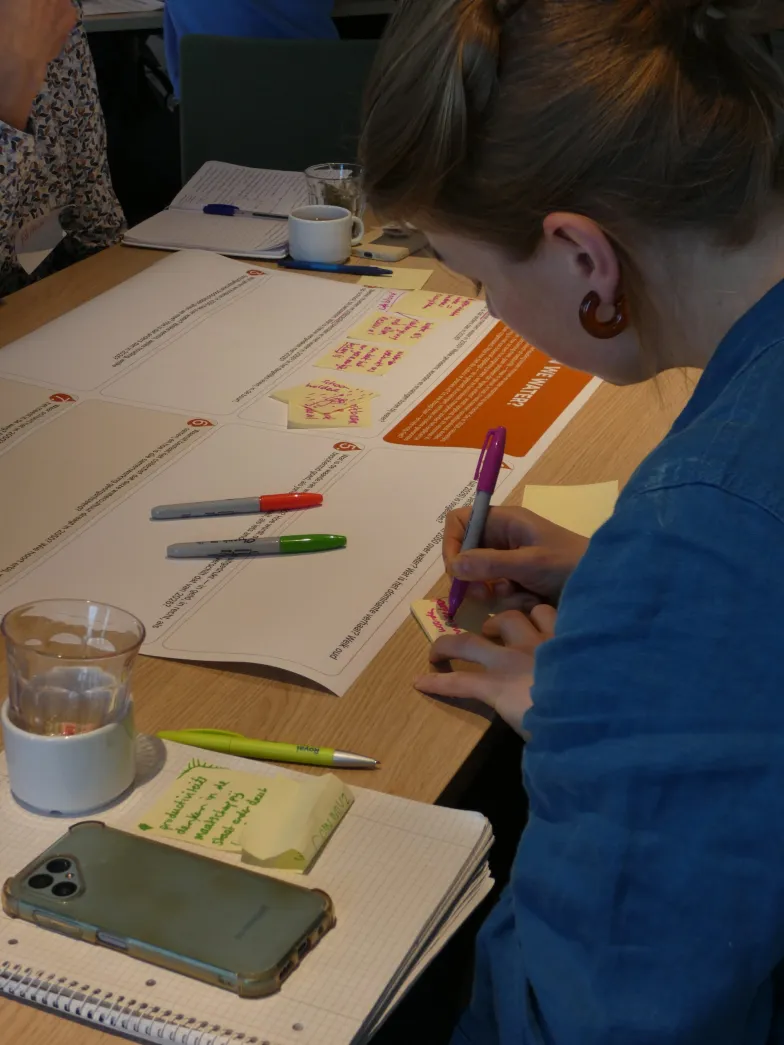
Under the working title “Collective Water Management”, KIN is investigating what this might look like in collaboration with Ellen Weerman and Veerle Joosen of the HAS Green Academy in Den Bosch. We are doing this through initiative and action. In July 2025, we organised a so-called “Crutzen workshop” as a starting point. The Crutzen workshop is a workshop format developed by KIN that aims to bring together experts from practice and research to explore what is needed to enable a desired transition in this sector. In this case, we are bringing together a group of people who have been working for a long time, both within and outside the water sector, on resilience, natural solutions, social initiatives and entrepreneurship, and the design of small-scale “collective water management”. We are also involving experts who can contribute in other ways: technical, legal, social, economic or spatial. Finally, we give creatives, designers and artists an important role in the programme, both on the day of the Crutzen workshop itself and during the follow-up. The aim of the workshop is to jointly identify the desirability, preconditions and next steps in the transition from technical to collective water management.
During the Crutzen workshop, participants spent a single day identifying the barriers and challenges to transition, questions about change and possible solutions, in order to develop a portfolio of initiatives and actions that explore the desired transition in practice. These could be anything from a technical solution to a work of art, from a social intervention to a new business model. The aim is to gain more insight into the desired transition, learn more about it and acquire knowledge to make this change shareable.
The outcomes of this Crutzen workshop form the basis for a so-called “Knowledge in Action” subsidy scheme to support concrete projects and actions. Participation in the day puts those involved in a good position to help shape the ambition of collective water management and the call. Proposals for follow-up projects arising from the Crutzen workshop could apply for follow-up funding through the new subsidy call.
About Knowledge-in-Action programmes
Knowledge-in-Action programmes are thematically organised and contain a co-created agenda with identified transition barriers, learning objectives and research questions. Proposals can take the questions formulated in the agenda as a starting point, or formulate their own research questions and related hypotheses and learning objectives appropriate to the sub-themes. The most important thing is that they further the practice of the desired transition on a specific theme and develop and unlock knowledge and insight in that process. Collective Water Management is the first Knowledge in Action programme developed by KIN and focusses on the region of East Brabant. A call for proposals for this programme will be issued in the autumn of 2025.
Partners
HAS Green Academy