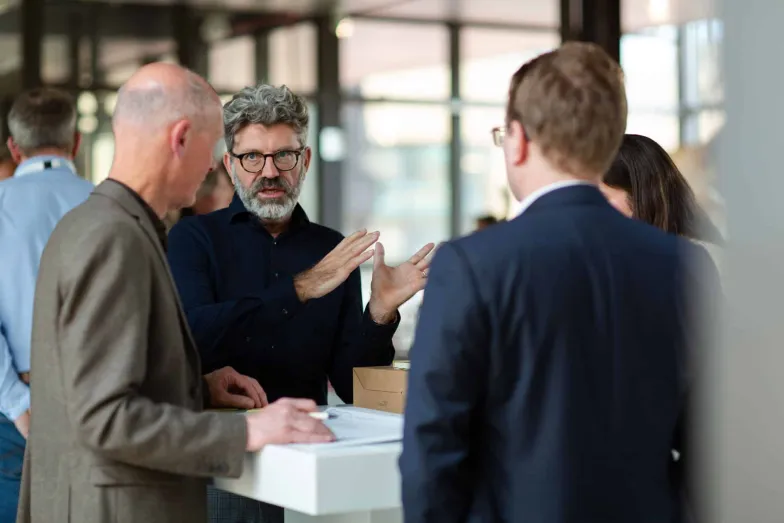
Practice-oriented ACT consortium meeting in Nijmegen
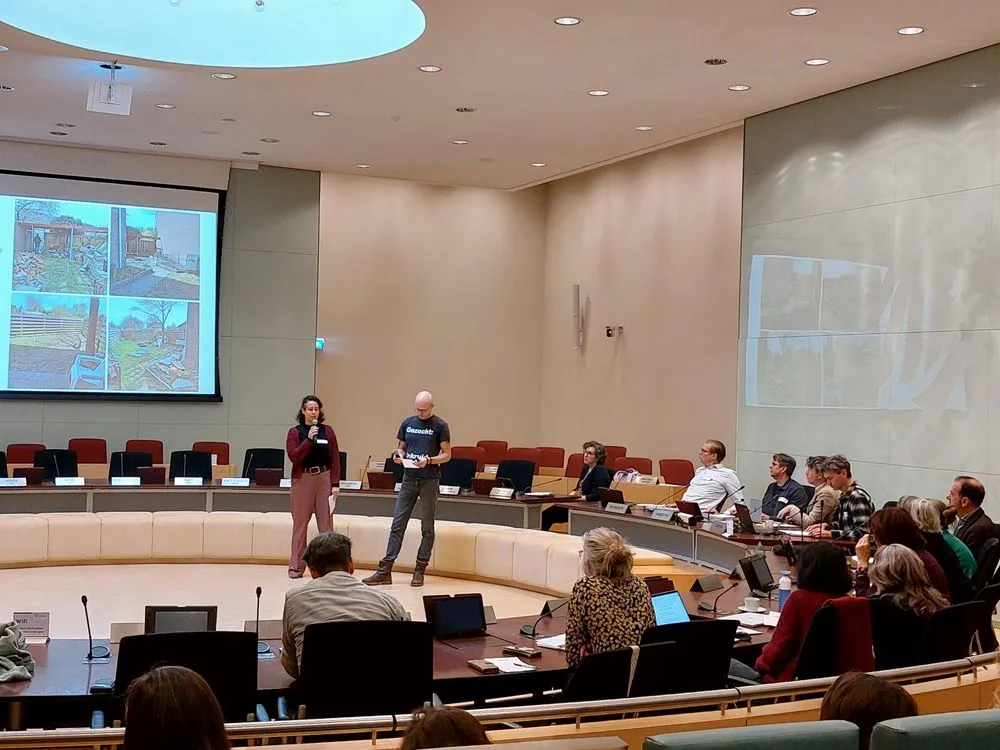
How can cities accelerate their climate transition in a way that is fair to all residents? And how are residents themselves already working on this challenge?

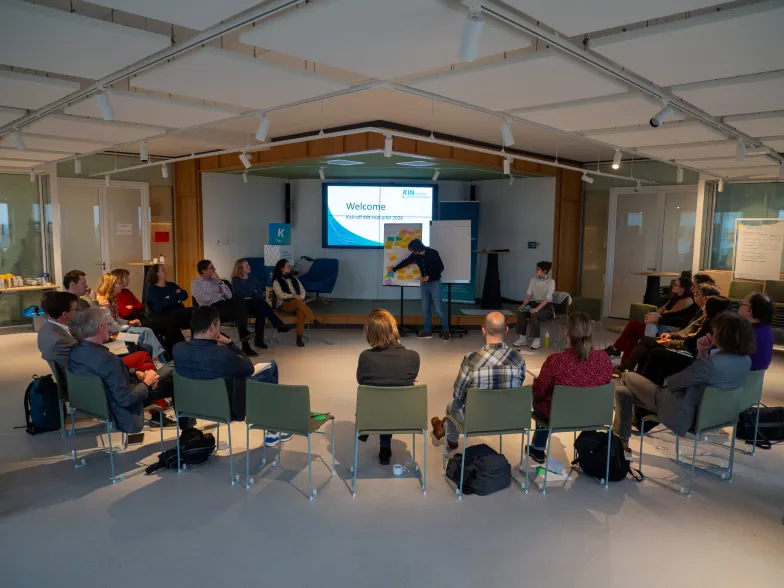
 These questions were central to the ACT consortium meeting in Nijmegen on Wednesday November 5. Researchers, policymakers and residents’ initiatives came together to exchange experiences and learn from each other.

Transitions require systemic change

Derk Loorbach (DRIFT and KIN) opened with a stimulating lecture on transitions as tough but necessary systemic changes. ‘The regime – the dominant way of thinking and organising – offers stability, but it also keeps us trapped,’ he said. Transitions arise when people become uncomfortable with the existing system and experiment with alternatives. Such initiatives, often originating from society itself, deserve support and upscaling.

The Green Corridor: nature as a connecting route

Leen Dresen presented the Green Corridor, a network of committed residents who are developing an ecological and recreational route along the railway line through Nijmegen. The ambition: to bring nature into the city, provide cooling and connect neighbourhoods. Opportunities lie in the redevelopment of stations and new residential locations, but there are also challenges such as fragmented land ownership. Leen called for new forms of collective management and smart financing to bring more green space into public hands.

Climate adaptation with an eye for justice

Alderman Cilia Daemen explained how Nijmegen is working on a fair climate policy. Through residents’ initiatives, agreements with corporations and entrepreneurs, and adjustments to rules and programmes, the municipality wants to make the city climate-adaptive. But fairness is not a given, she emphasised: ‘Attention often goes to the loudest voices. We must invest unequally for equal opportunities.’

The power of action: Lindenholt Garden Brigade

The Lindenholt Garden Brigade showed how greening the neighbourhood connects people. With humour and enthusiasm, residents help each other to green their gardens. This not only increases biodiversity, but also the sense of community. The collaboration with housing associations and local initiatives such as the Broerderij shows how social and ecological returns go hand in hand.

Learning from practice

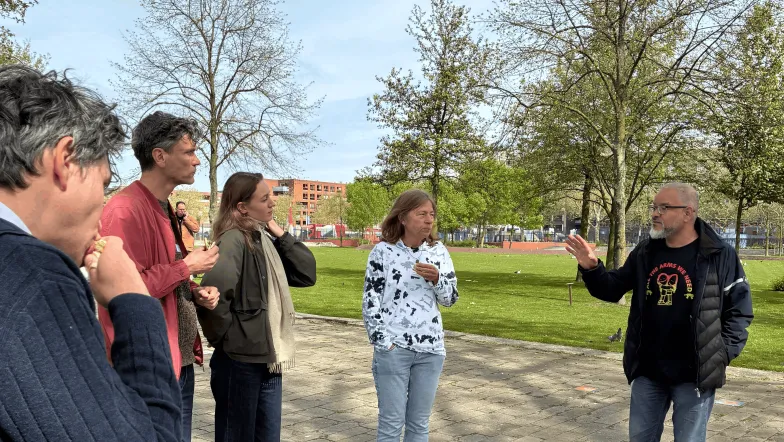
During a walk through the old town of Nijmegen and with presentations from other cities – such as the Boschstraatkwartier in Maastricht – it became clear how practical research can contribute to local transitions. The Maastricht team worked with residents on future scenarios and “no regret” measures such as greening, insulation and neighbourhood initiatives. The most important lesson: you really have to be in the neighbourhood to understand and support change.

Working together to accelerate

Finally, the various ACT work packages discussed how they can work together more effectively. From conversation cards for meaningful participation (University of Groningen) to research into barriers, complex systems and sustainable consumption: each team contributes to ACT’s mission – accelerating just climate transitions in neighbourhoods – based on its own expertise.

Gerelateerde nieuwsberichten

Skip this slider about Gerelateerde nieuwsberichten

“We need to go to relationship therapy with water”

Over the centuries, our relationship with water has gone completely off the...
Planetary Health: a radical transition towards new ways of thinking and acting

Making a radical transition towards Planetary Health as a new way of thinking...
Water Transition Twente: system choices and regional capacity

On 21 April, more than 60 people, each with a role within the regional water...
Retrospective on the 4th KIN ACT Consortium Day in Rotterdam

On Wednesday, April 15, the 4th KIN ACT Consortium Day took place at Het Gemaal...
Kick-off projects Knowledge-in-Action programme Collective Water Management East Brabant

The KIN runs various Knowledge in Action programmes. These programmes are...
Expert meeting Planetary Health

‘Now is the time to radically change course towards Planetary Health!’ This was...
Kick-off KIN Hub pilot 2026: building a learning network for transition

At the end of last year, KIN launched a tender process inviting knowledge...
15 applications for first Knowledge-in-Action Grant “Collective Water Management East Brabant” granted

Last week, it was announced that all 15 applications for the first KIN Knowledge...
Brand new Knowledge-in-Action Grant aims to bring science and practice together for Collective Water Management

Starting today, applications can be submitted for the brand-new KIN Knowledge-in...
The Cost of Doing Nothing: an exploration of how to make the financial consequences of climate change more visible

We often talk about the cost of climate policy. But what are actually the costs...
Kick-off ACT Programme: From Urban Challenges to Concrete Action

The Impossible Projects podcast series invites you into an ongoing conversation...