



Global Transitions Programme Committee
What is the Global Transitions Programme Committee and what do they do?
The Global Transitions Programme Committee safeguards the quality of the activities set up by the KIN Global Transitions Programme, as a critical friend. With the Global Transitions Programme, we focus on accelerating local transitions in countries that have contributed least to climate change but are most vulnerable to its effects. The committee assesses the quality of new initiatives, evaluates coherence, monitors implementation and evaluates the impact of the programme’s results. In doing so, the committee safeguards KIN’s aim that all activities are geared towards accelerating systemic transitions.
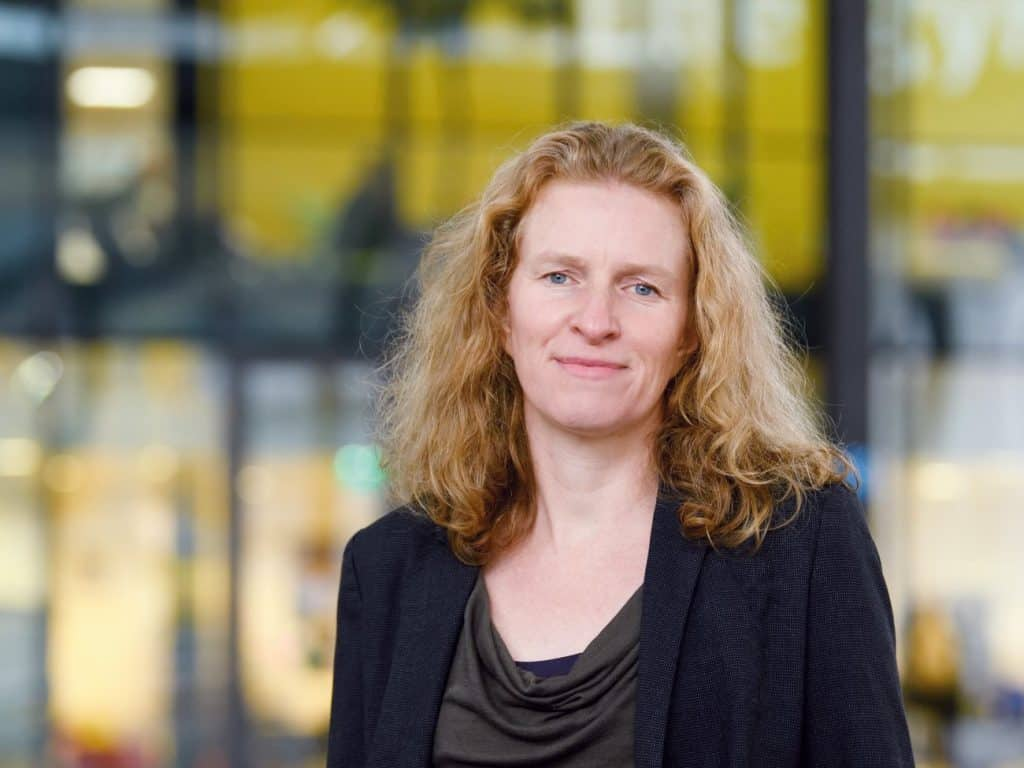
Heleen is Professor of Socio-Technical Innovation and Climate Change at Eindhoven University of Technology, and Professor of Climate Change and System Transitions at the Radboud Institute for Biological and Environmental Sciences, Faculty of Science, Radboud University Nijmegen. Heleen has contributed to several IPCC reports and is currently a Lead Author of the IPCC Special Report on Climate Change and Cities. Her main research focus is on the role of innovation and technology in international climate negotiations, on policy for decarbonising energy-intensive industry, and on the feasibility and societal dynamics of technological solutions for limiting warming to 1.5°C. She is vice-chair of the Scientific Climate Council (Wetenschappelijke Klimaatraad) and played a crucial role in the establishment of KIN, first as chair of the taskforce that wrote the KIN advisory report, and later as a member of the KIN steering committee during its formation.
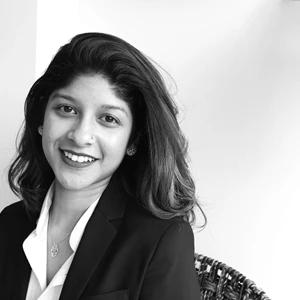
Maheen Khan is Senior Climate Resilience Adviser at WWF Netherlands and leads WWF’s global UNFCCC adaptation negotiations. She previously lectured on sustainability and climate change at Maastricht University. Alongside her full-time role at WWF, Maheen continues to give lectures on climate justice. Maheen has worked across various sectors for more than 12 years, which allows her to bring diverse perspectives to her work on climate change. As a Bangladeshi, she believes that climate action needs to be accelerated exponentially worldwide, with nature and local communities at its centre. She therefore strives to bridge the gap between the climate and biodiversity crises.
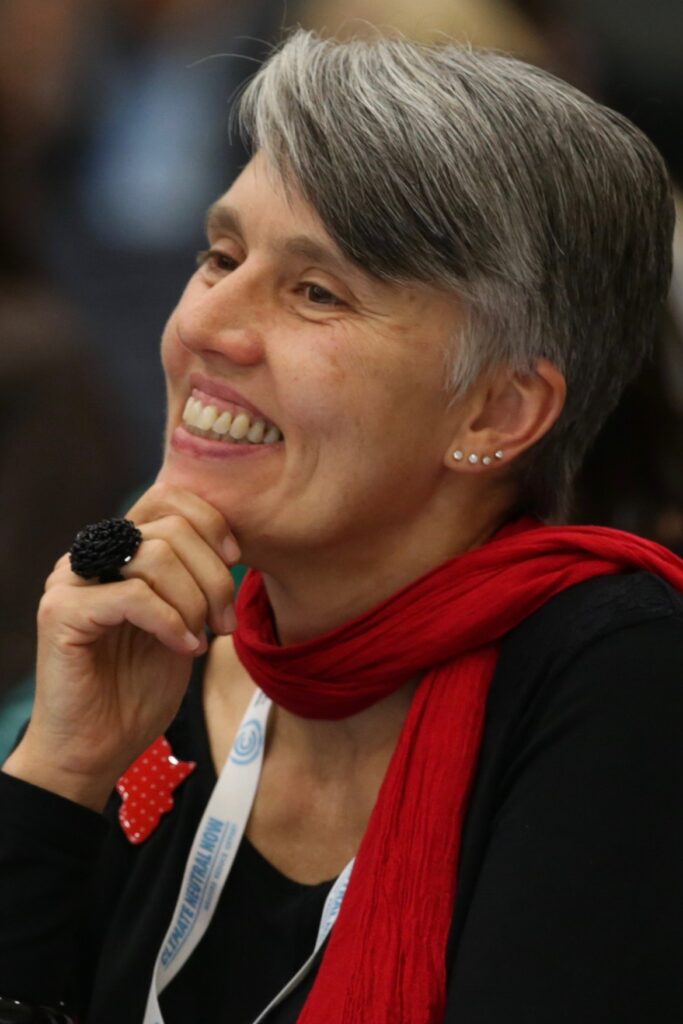
Debra headed the Sustainable and Resilient City Initiatives Unit and the Environmental Planning and Climate Protection Department of the eThekwini Municipality (Durban, South Africa). She was elected co-chair of the Intergovernmental Panel on Climate Change (IPCC) and was included on a list of the 100 most influential people in global climate policy. Debra has received honorary doctorates for her local and international work on climate change and environmental protection from the University of Twente (the Netherlands), the University of Cape Town (South Africa) and Rhodes University (South Africa). She currently holds an honorary professorship at the University of KwaZulu-Natal and holds the Willem Schermerhorn Chair in Open Science from a Global Majority perspective at the University of Twente. She also chairs the scientific council of the AXA Research Fund.
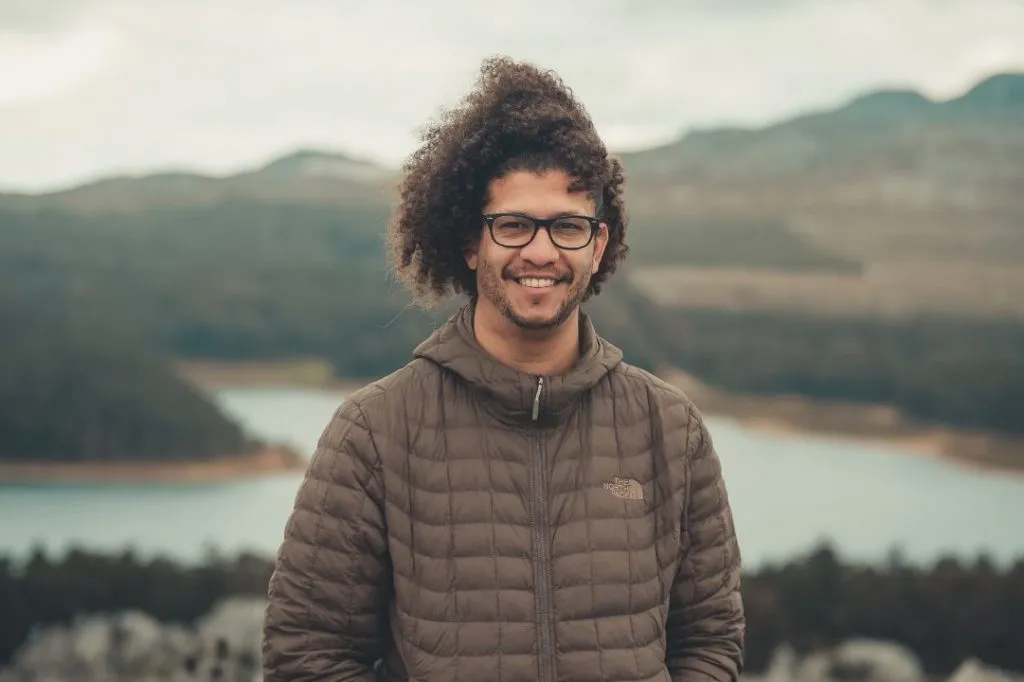
Izidine is a Senior Scientist in the Weather and Climate Models Research and Development department at the Royal Netherlands Meteorological Institute (KNMI). His work focuses on the attribution of extreme weather and climate events, contributing to more accurate information to support better decision-making and disaster risk reduction. He has more than 15 years’ experience working in Africa. Izidine is a Lead Author of the Special Report on Climate Change and Cities for the Intergovernmental Panel on Climate Change (IPCC), part of the seventh assessment cycle.
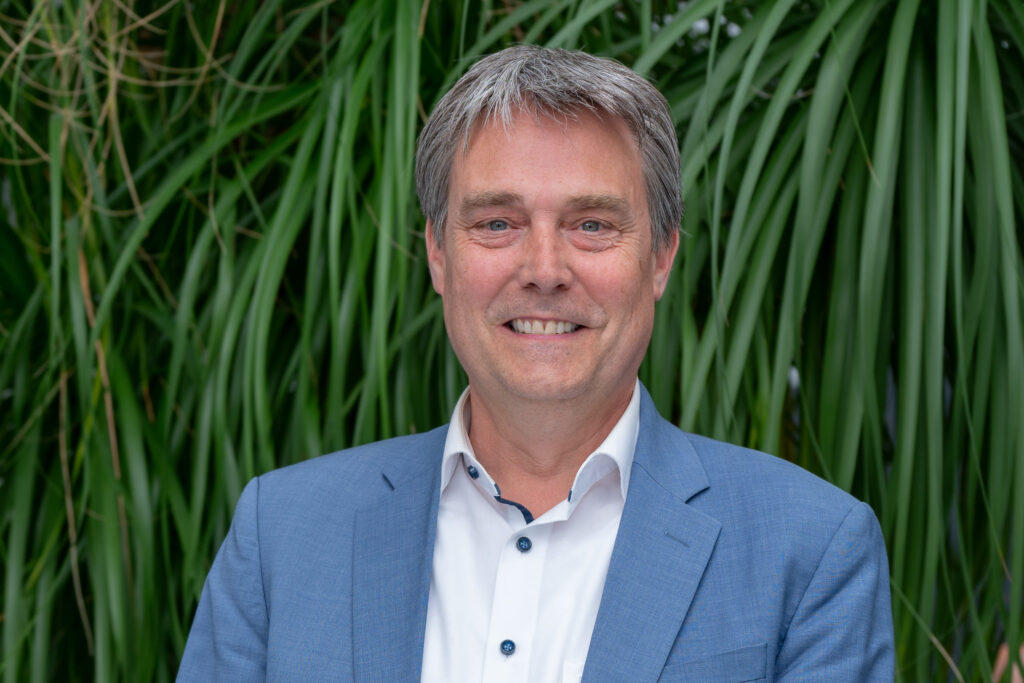
Paul van de Logt is Head of Climate at the Ministry of Foreign Affairs. In this role, he is responsible for shaping and negotiating Dutch climate finance. In previous positions at the ministry, he worked on food security, biodiversity and European environmental policy. He has worked in China, Afghanistan and Brazil. Paul is an international and environmental economist with a passion for the complexities surrounding the international processes involved in the transition to a more sustainable economic system.
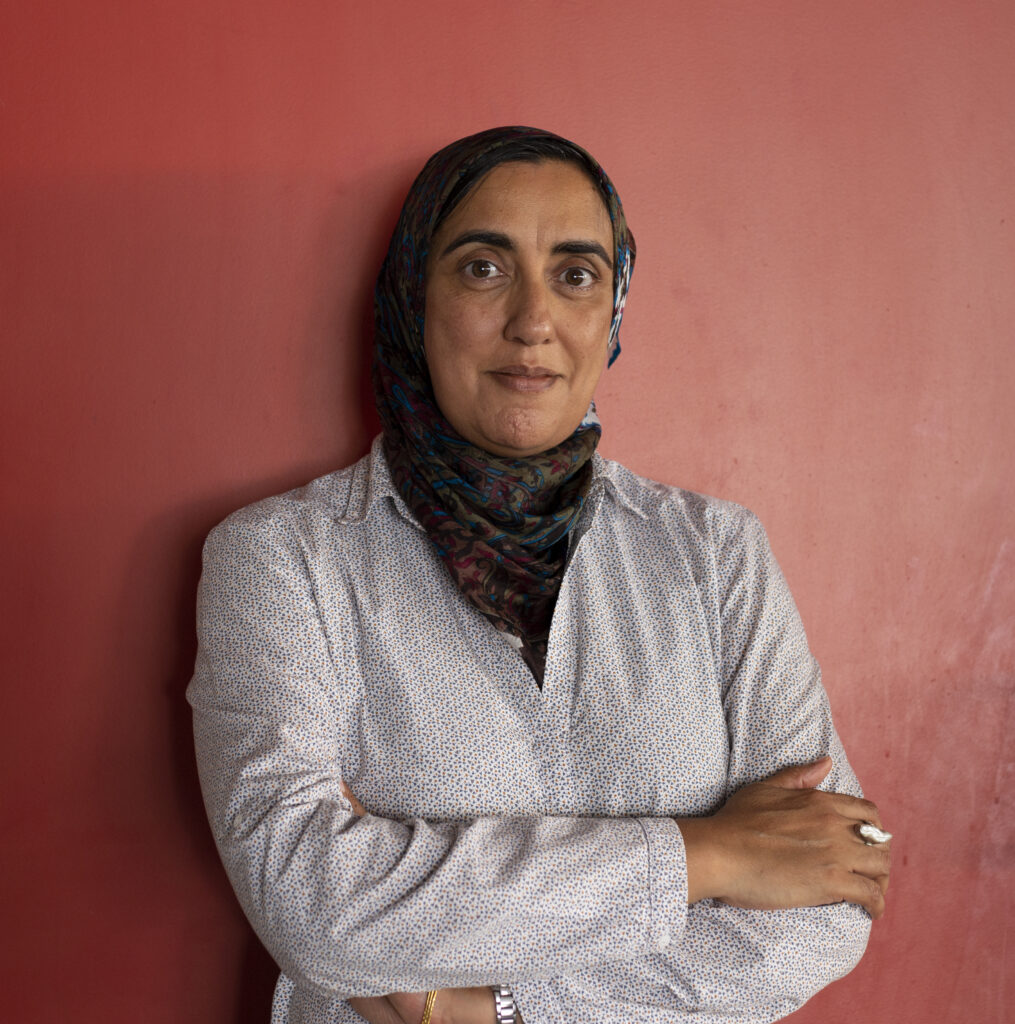
Shehnaaz is co-director at the South African NGO South South North. She is responsible for projects including CDKN, VCA, CLEAN, ARA and GA LLA, among others. She has deep theoretical and practical expertise in implementing complex programmes that address climate change within the African context. Social justice and equality lie at the heart of what informs Shehnaaz’s approach to programme design and local and global interventions. Before joining SSN, Shehnaaz was a researcher and lecturer in the Department of Chemical Engineering at the University of Cape Town. She has the distinction of being the first woman of colour to obtain a doctorate in chemical engineering in South Africa.