

On May 18, during the SIA conference ‘Research and Creative Practice’ at the Neude Library, Kornelia Dimitrova and Alex Szwaj of Foundation We Are, together with Sissel Marie Tonn, the current artist-in-residence at KIN, led a joint workshop exploring new approaches to cross-sectoral collaboration in the field of funding.
The session stemmed from the ongoing collaboration between Foundation We Are and KIN around ‘Impossible Projects‘. A format that critically examines funding structures by inviting applicants to pitch projects that initially seem ‘impossible’ to fund. Instead of repeating the familiar logic of selection and rejection, the workshop explored how funding ecosystems could be collectively redesigned.
Role-playing exercise
The workshop was structured as a playful adaptation of Dragons’ Den and functioned as a role-playing exercise. Participants took turns in the roles of applicants, funders and ‘integrators,’ who were essentially observers tasked with tracking the subtle and often unspoken dynamics unfolding between the groups.
Applicants pitched speculative projects to panels representing major Dutch funding agencies: SIA, Fonds voor Cultuurparticipatie, Stimuleringsfonds, KIN, and NWO. The central challenge for the ‘funders’ was not whether a project should or should not be supported, but how a project could be made possible through cross-sectoral forms of collaboration and shared responsibility. So that no one is left behind.
Institutional roles that shape behavior
What quickly became clear was how strongly institutional roles shape behavior. Applicants used gestures, stories and emotional persuasion to advocate for their ideas, while several participants playing the role of funders were instinctively more reserved in their communication and body language. During the debriefing, several participants reflected on how easily these invisible power structures are reproduced—even when one consciously disagrees with them.
At the same time, others actively sought to reshape the role of the funder into a more open, curious and engaged one: not as a gatekeeper, but as a collaborator or steward of the proposed projects.
Cross-sectoral approaches to funding
One participant (from a funding agency) described the workshop’s role-playing format as akin to family constellation therapy. And as a way to view the dynamics between funders and applicants in an entirely new light. She saw the exercise as a way to open up possibilities for more cross-sectoral and collaborative approaches to funding.
What we gained from this experience was not a ready-made model, but a design experiment. A temporary space in which institutional relationships could be collectively practiced, questioned, and reshaped.
Impossible Projects
With ‘Impossible Projects,’ Foundation We Are and KIN aim to gain insight into the barriers and bottlenecks in the current funding system for scientific and applied research in the field of climate (transition). The goal is to devise new forms of funding that will make it possible in the future to implement seemingly ‘unfundable’ gems.
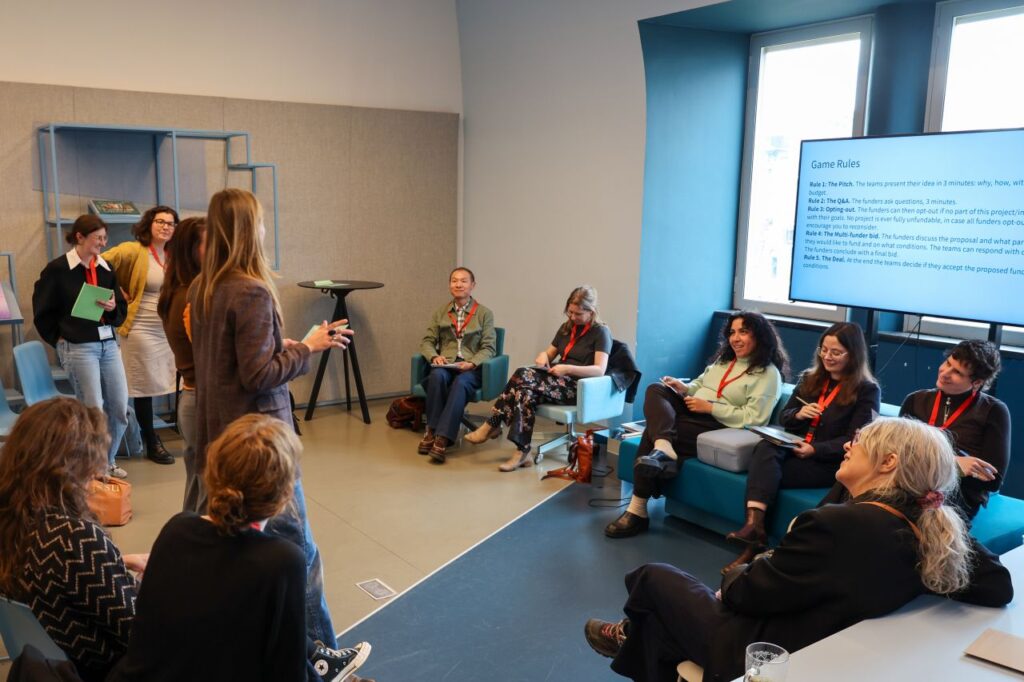 Photo: Lizanne Scheepers
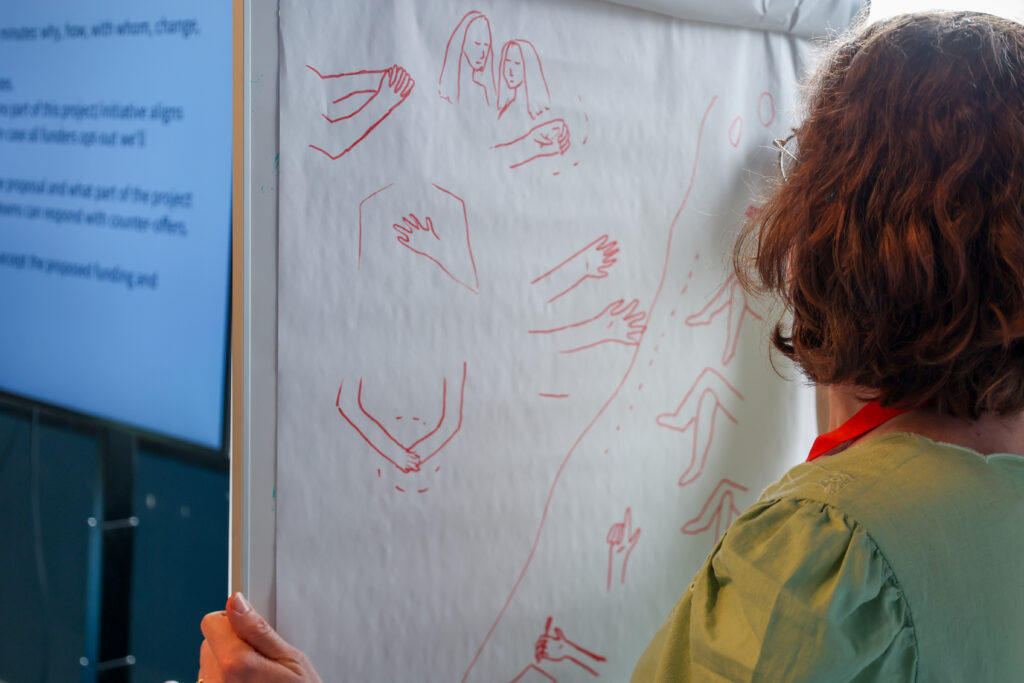 Photo: Lizanne Schepers
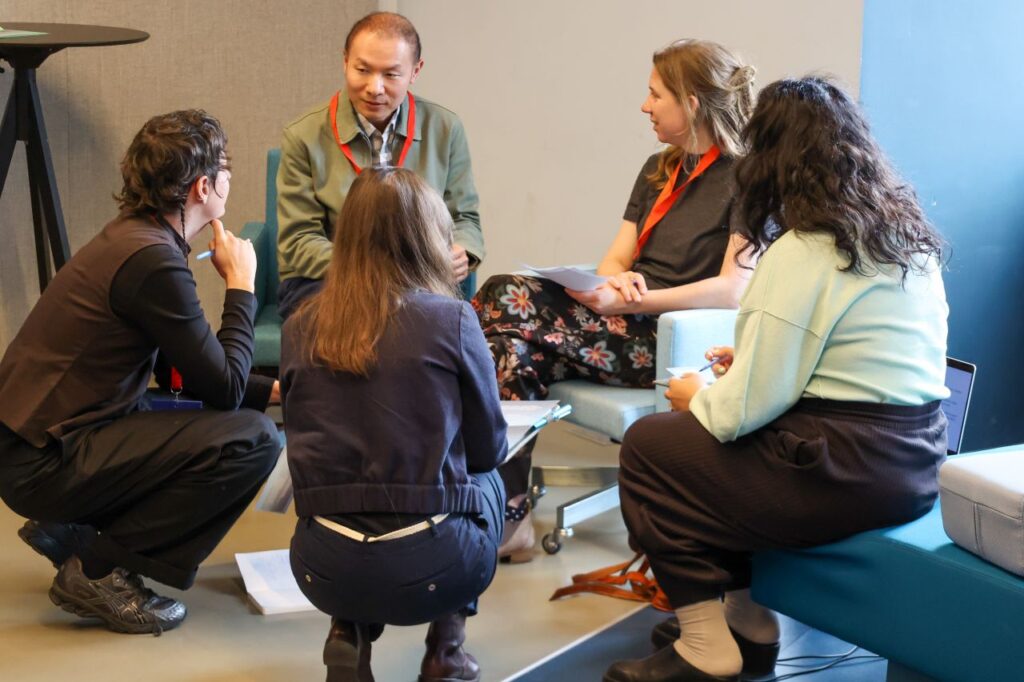 Photo: Lizanne Schepers
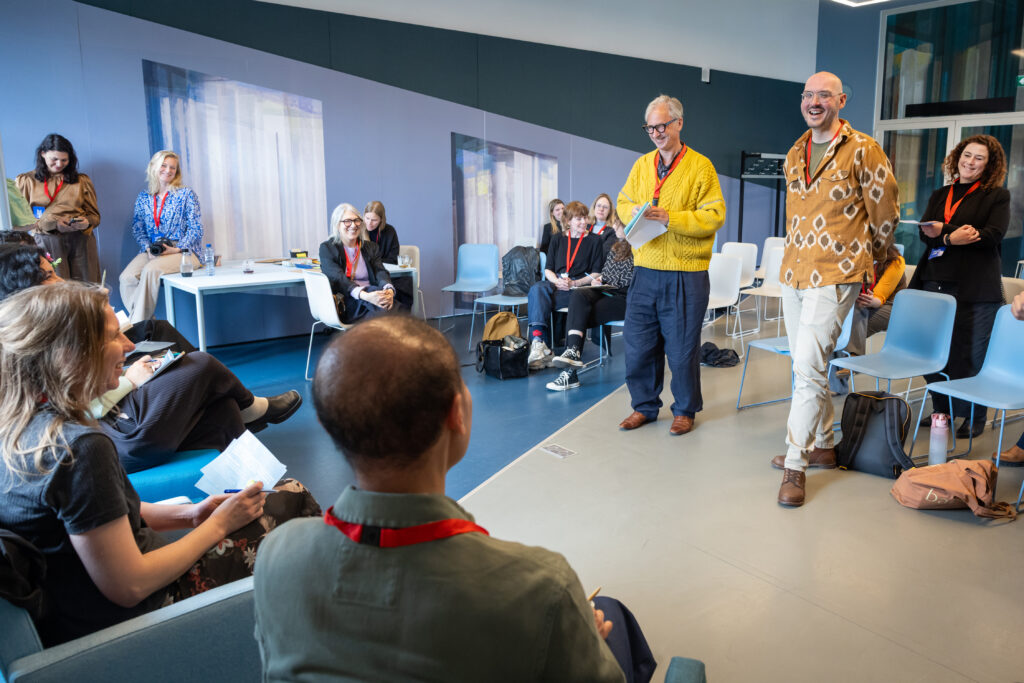 Photo: Marieke Wijntjes
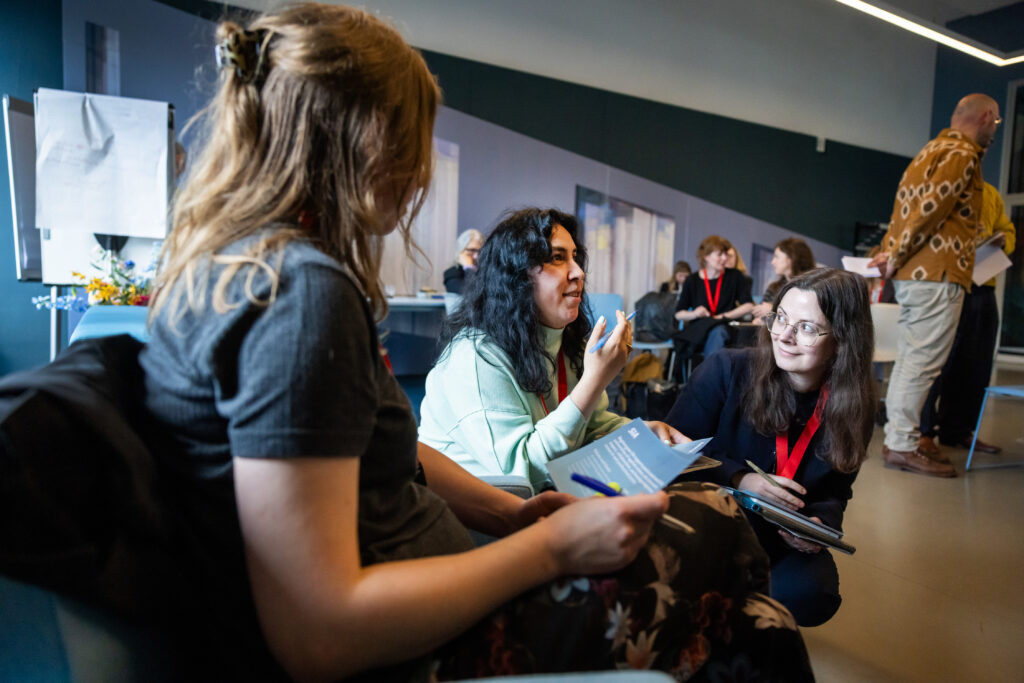 Photo: Marieke Wijntjes
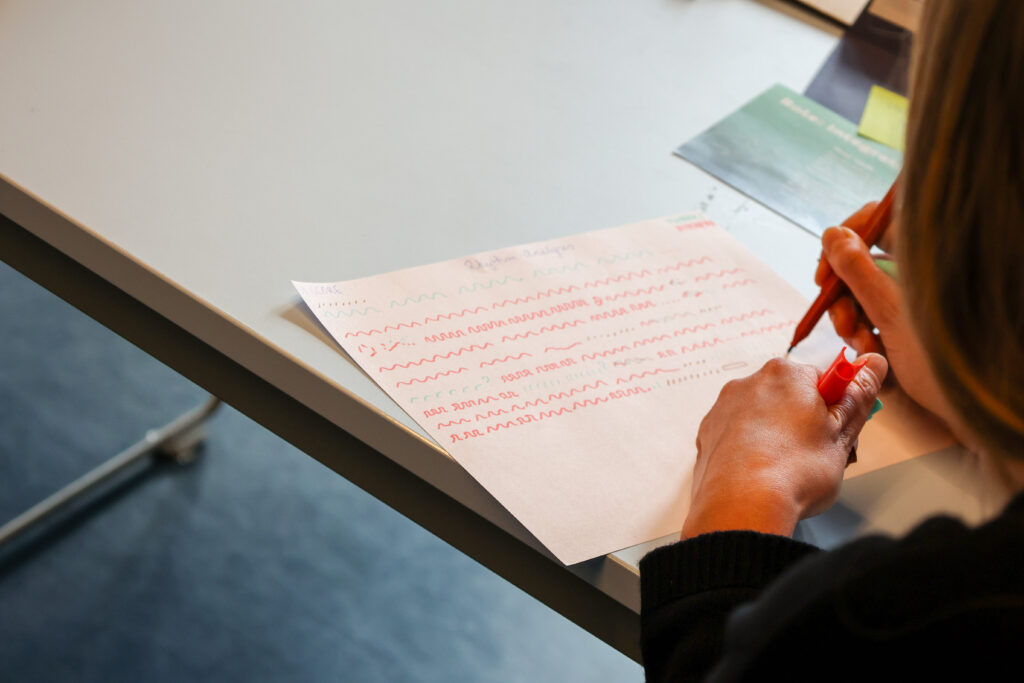 Photo: Lizanne Schepers