

Workshop on responsible carbon dioxide removal, May 12, 2026
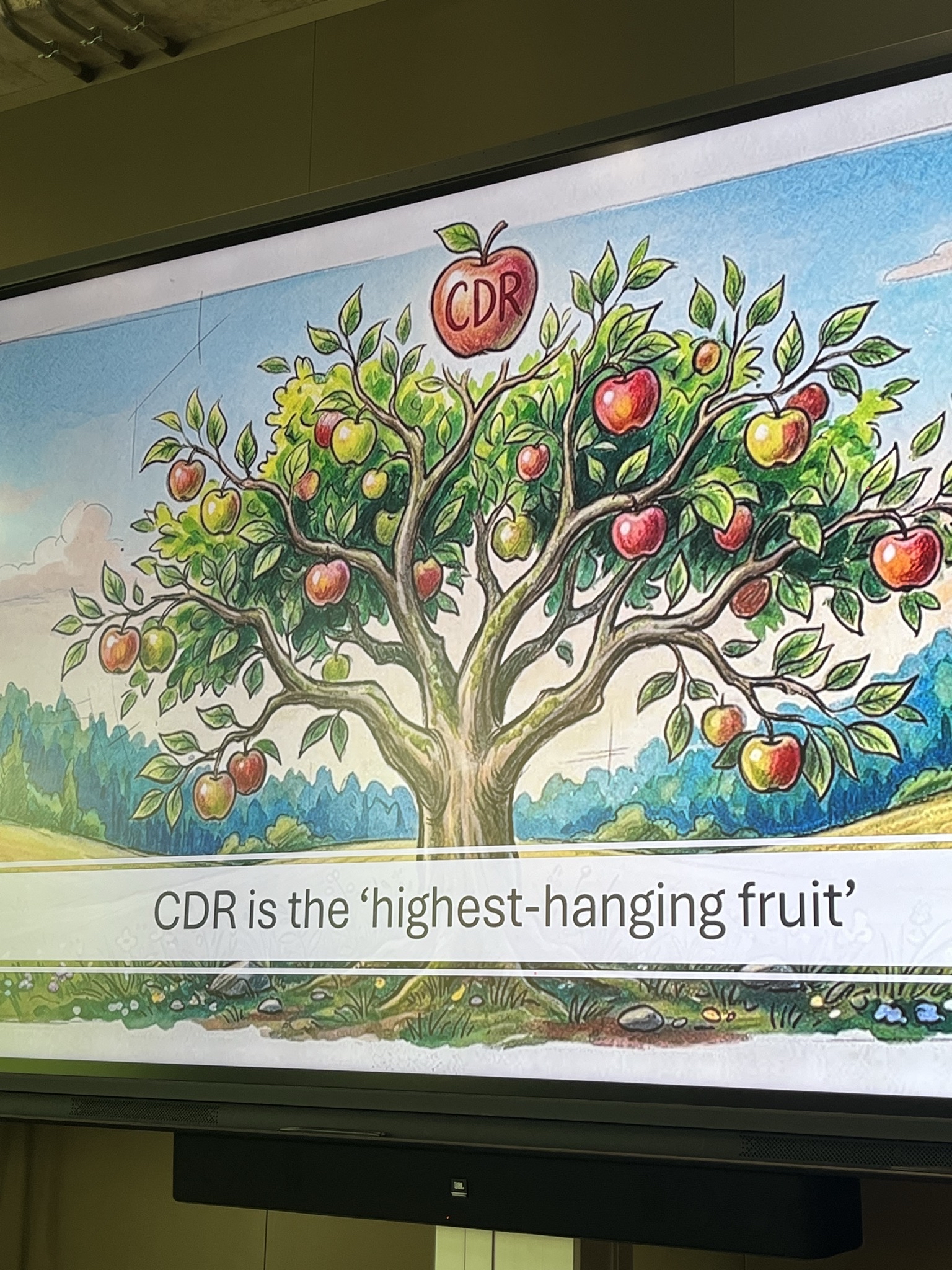
Can large-scale carbon dioxide removal (CDR) be implemented in a responsible and climate-just manner to achieve a carbon dioxide neutral society?
This question was the focus of a workshop at the University of Twente (UT) on May 12, 2026, which was attended by more than 30 participants from the fields of research, policy and practice. UT is conducting an exploratory study on this topic in collaboration with Deltares and Delft University of Technology.
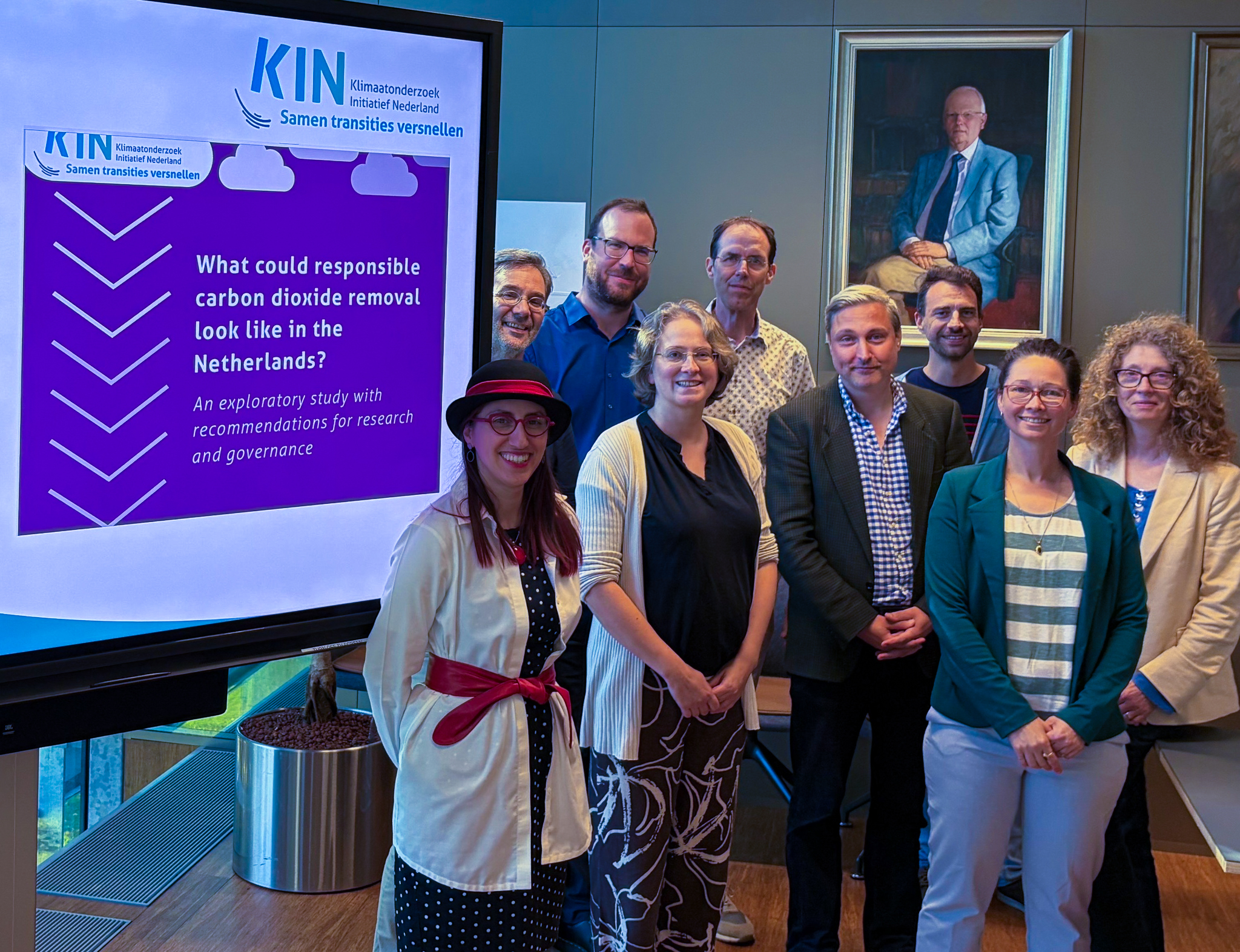
Report on responsible scaling up of CDR in the Netherlands
How can carbon dioxide removal be scaled up responsibly in a way that does justice to our social and ecological systems?
The report ‘What could responsible carbon dioxide removal look like in the Netherlands? An exploratory study with recommendations for research and governance‘, published by the University of Twente, Delft University of Technology and Deltares, addresses this question.
The report makes it clear that there are still many questions to be answered before the Netherlands can achieve a responsible, equitable and environmentally friendly scaling up of CDR. In addition to six principles for a responsible CDR policy, the report offers five recommendations for further research to address identified knowledge gaps.