“Impossible Project ideas” is part of the New Ways of Funding project, an experimental initiative that aims to accelerate transformative and transdisciplinary research collaborations in climate transition research by removing current limitations and barriers. By sharing an “impossible project” idea, researchers, artists and designers contribute to gaining more insight into these counteracting forces.
The Impossible Projects report has been published!
Curious about the insights from Impossible Projects? In the report, you can read how ‘unfundable’ ideas were translated into new funding prototypes, which systemic tensions became visible, and what possible next steps could look like.
Read the report
Impossible Projects Podcast
Through the open call, interviews and conversations with researchers and innovators who are exploring the limits of the current funding system, the project team aims to map hidden experiences, unfulfilled desires, areas of tension and possibilities for change in the current system. By sharing the conversations via a podcast series, we hope that the discussions will spark the collective imagination about what funding could make possible, and we want to create space for shaping new alternatives.
Listen to the podcast
More about the call for ideas for impossible projects
Conventional funding models are often based on competition between consortia and tightly predefined project plans. While this works for certain forms of research, it aligns less well with the transdisciplinary, collaborative and process-oriented work needed for climate transitions.
In spring 2025, the project began with exploratory conversations about bottlenecks in the current funding system. In summer 2025, this was followed by an open call for so-called ‘Impossible Project ideas’: ideas that are relevant and valuable, but prove difficult or impossible to fund within the existing system. Climate researchers in the broadest sense of the term (academics, makers and practitioners) were invited to submit an ‘unfundable gem’. In total, 37 ideas were received. In autumn 2025, five ideas were selected and further developed by their proposers.
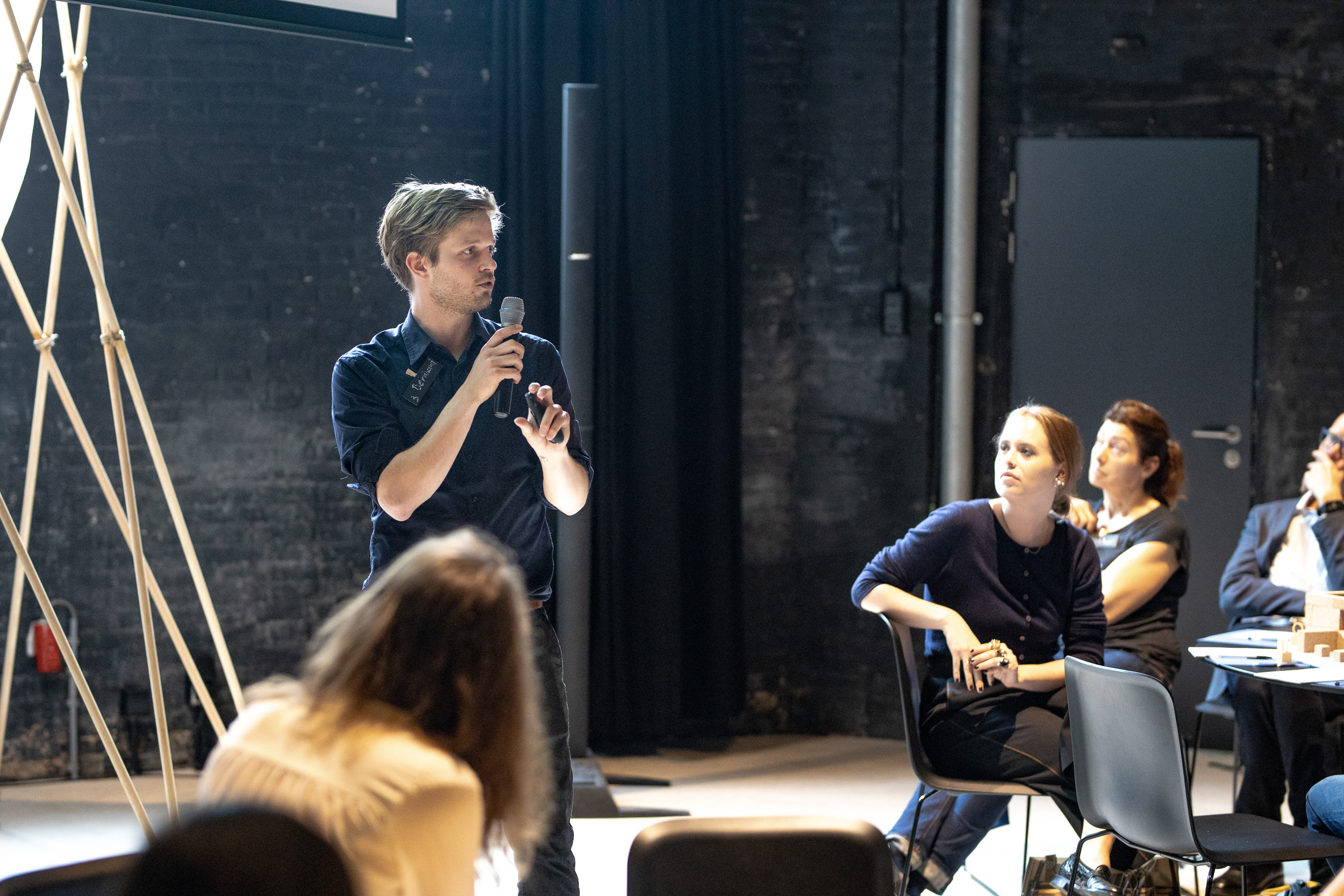
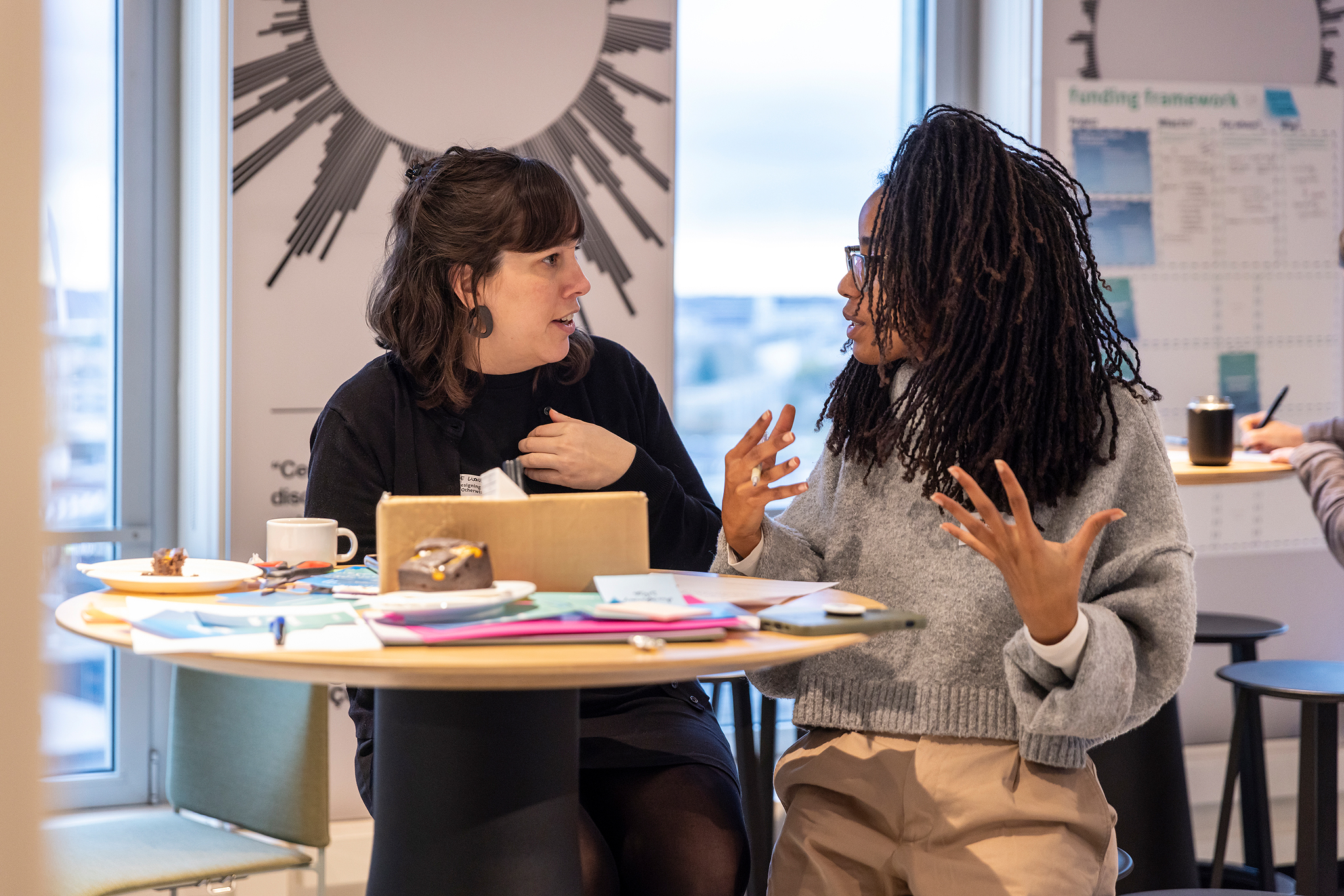
During a co-design session in autumn 2025, a reversal then took place: rather than adapting the idea to fit the scheme, the scheme was designed around the idea. The insights from this trajectory were brought together in early 2026 in the Impossible Projects report and further explored in the podcast series above.
About the “New Ways of Financing” project team
This experimental call is an initiative of the “New Financing Methods” project team, a collaborative assignment carried out for KIN, consisting of Kornelia Dimitrova and Alex Szwaj (Foundation We Are), Jonas Torrens (Utrecht University), Mattijs Taanman (Erasmus University Rotterdam) and Stephi Holst (KIN). This group was established with the aim of bringing about a shift towards new ways of working together from the perspective of the financing system, building on current interest and exploring new possibilities in an action research and experimental way together with relevant stakeholders. In doing so, we contribute to KIN’s objectives of accelerating transitions at the system level, with the aim of promoting diversity and inclusion in funding and ultimately creating the conditions necessary to enable action for climate justice.
The call is closed. It is no longer possible to submit an application. In September, we will announce which five ideas have been selected.