

Initial phase: taking a deep dive
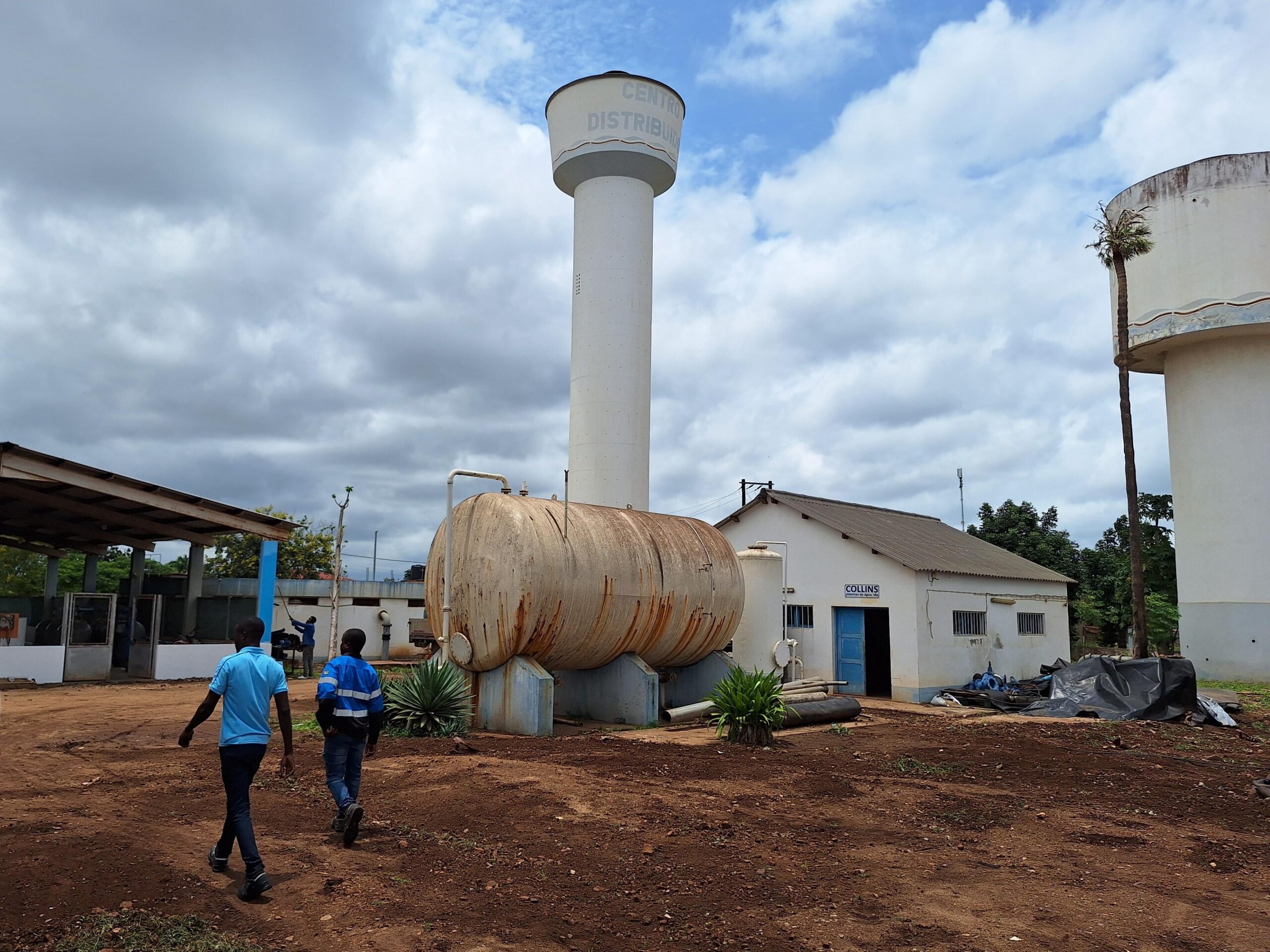
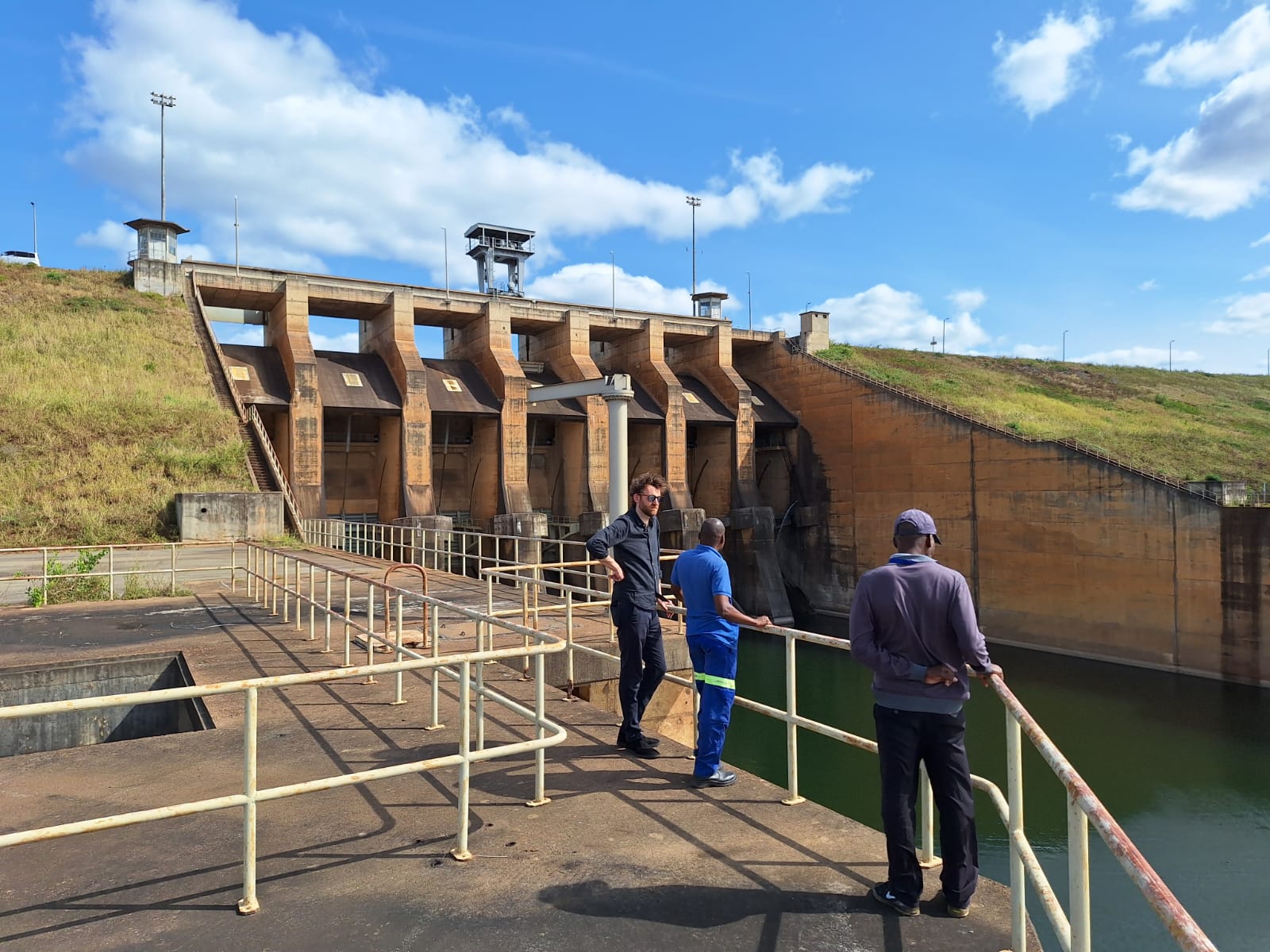
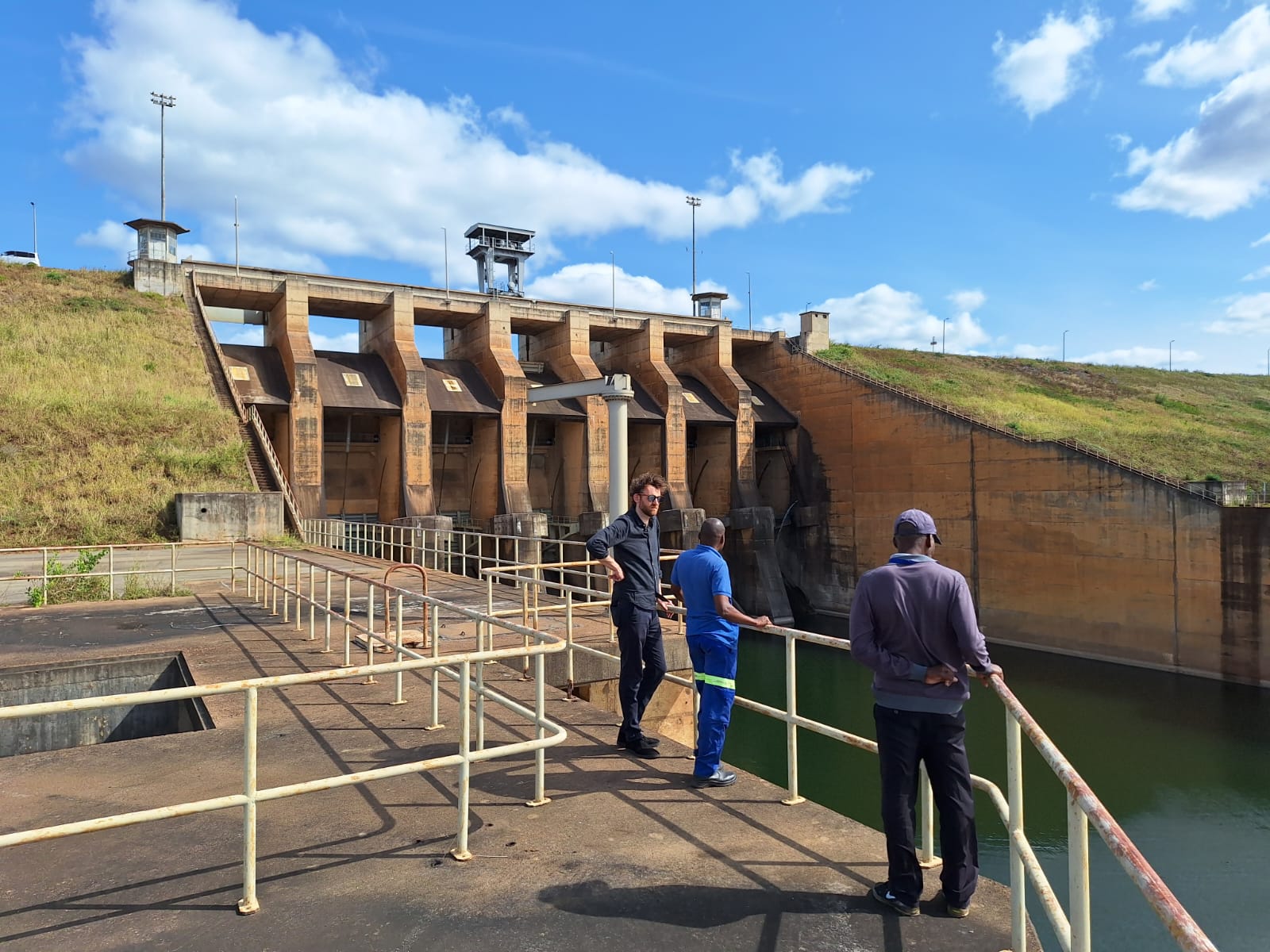
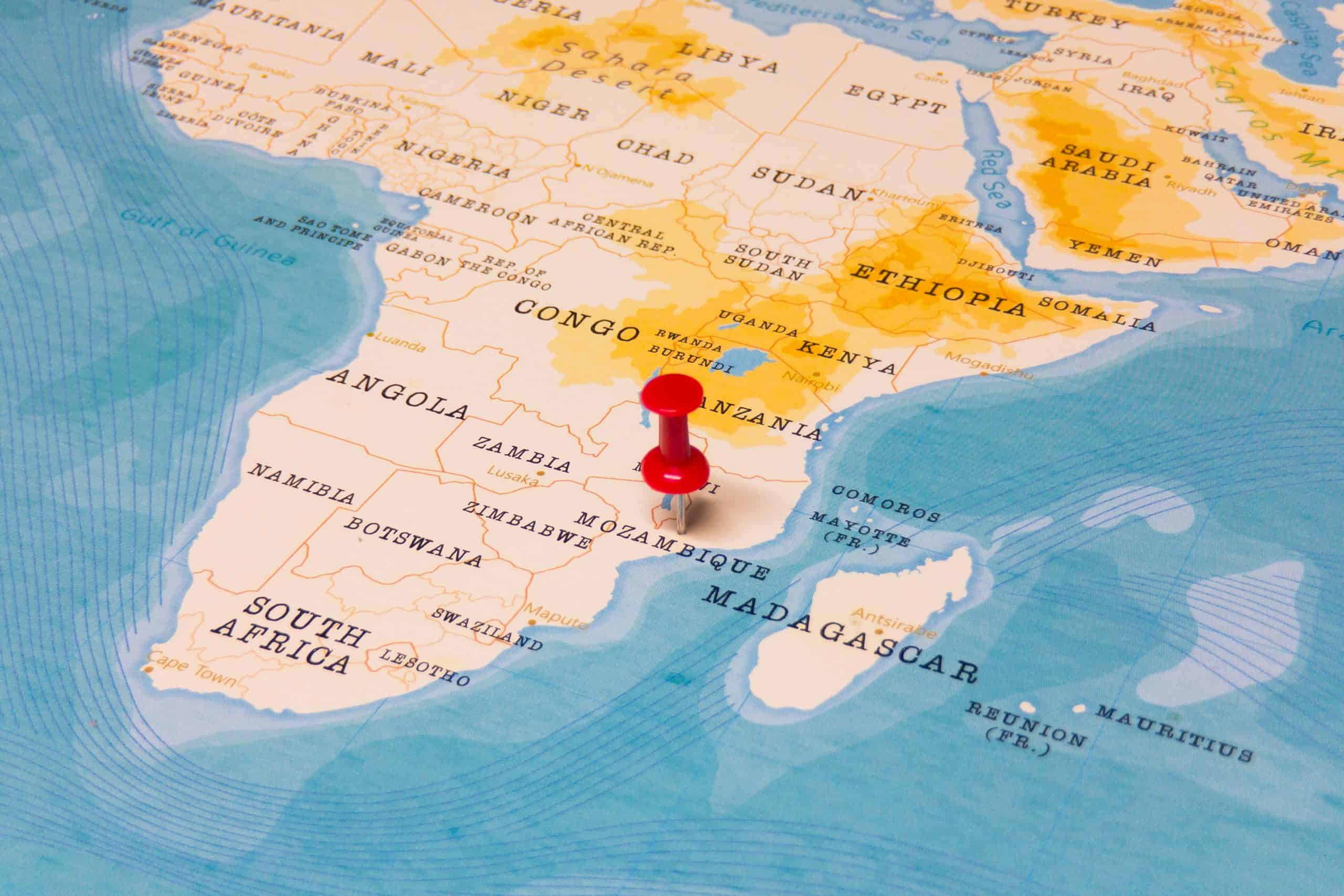
In 2025, the Dutch Climate Research Initiative (KIN) launched the first phase of its programme in Mozambique. In this initial phase, a consortium of Mozambican experts is conducting a joint deep dive to explore transition pathways and systemic levers for just water management in a changing climate. The results of this deep dive will be presented and validated during an agenda-building workshop, in which we will define the transition pathways for the next phase of the programme.
Towards a transition narrative
The deep dive aims to gain understanding of existing systems and path dependencies, identifying potential alternatives and opportunities for change, and addressing the structural barriers and enablers that can either block or accelerate progress. This will lead to a transition narrative: A collectively created story line that describes (1) the current (social, political, economic, etc) water system and (2) pathways and examples to work towards a new future. With this narrative, the deep dive is not solely an analytical exercise; it is also a collaborative learning process that supports agenda setting for collaborative action.
Second phase: towards action
The second phase of the programme is expected to start at the end of 2026. This phase will explore transition pathways through action-oriented knowledge projects. The knowledge agenda that identified transition pathways in phase 1 forms the basis of these projects.
Transition-analysis Mozambican water sector
The transition analysis for the water sector in Mozambique serves as a prelude to the agenda-building workshop. The analysis maps out key systemic embeddedness, describes crucial transition themes and identifies entry points for change with a view to a resilient and just future. The analysis was drawn up by the Mozambican Deep Dive team for the water sector in Mozambique. It is based on an extensive literature review of primary policy, legal, reporting and diagnostic documents, as well as on interviews with stakeholders. The project team has consolidated the collected data and input into the analysis.
Report agenda-building workshop
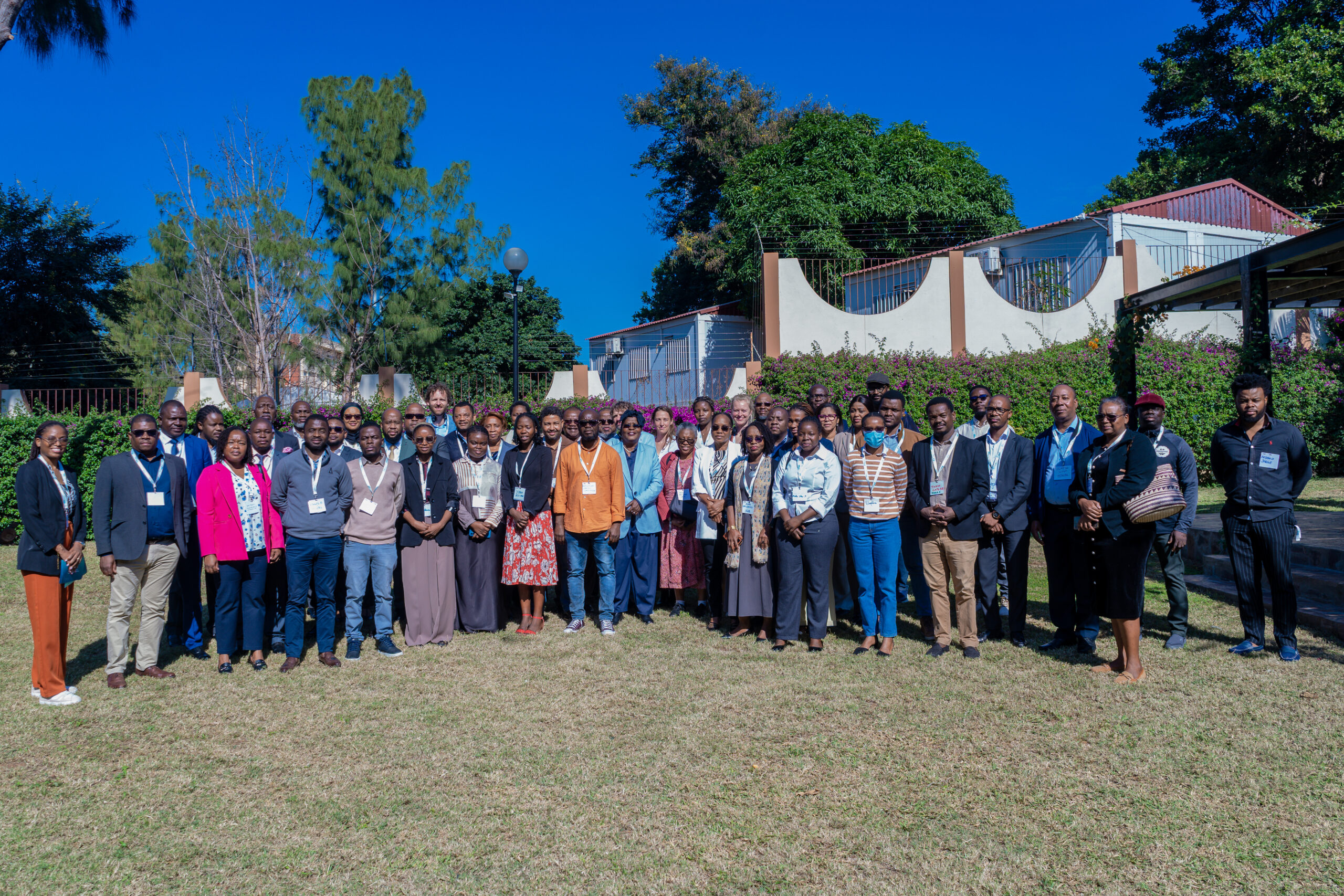
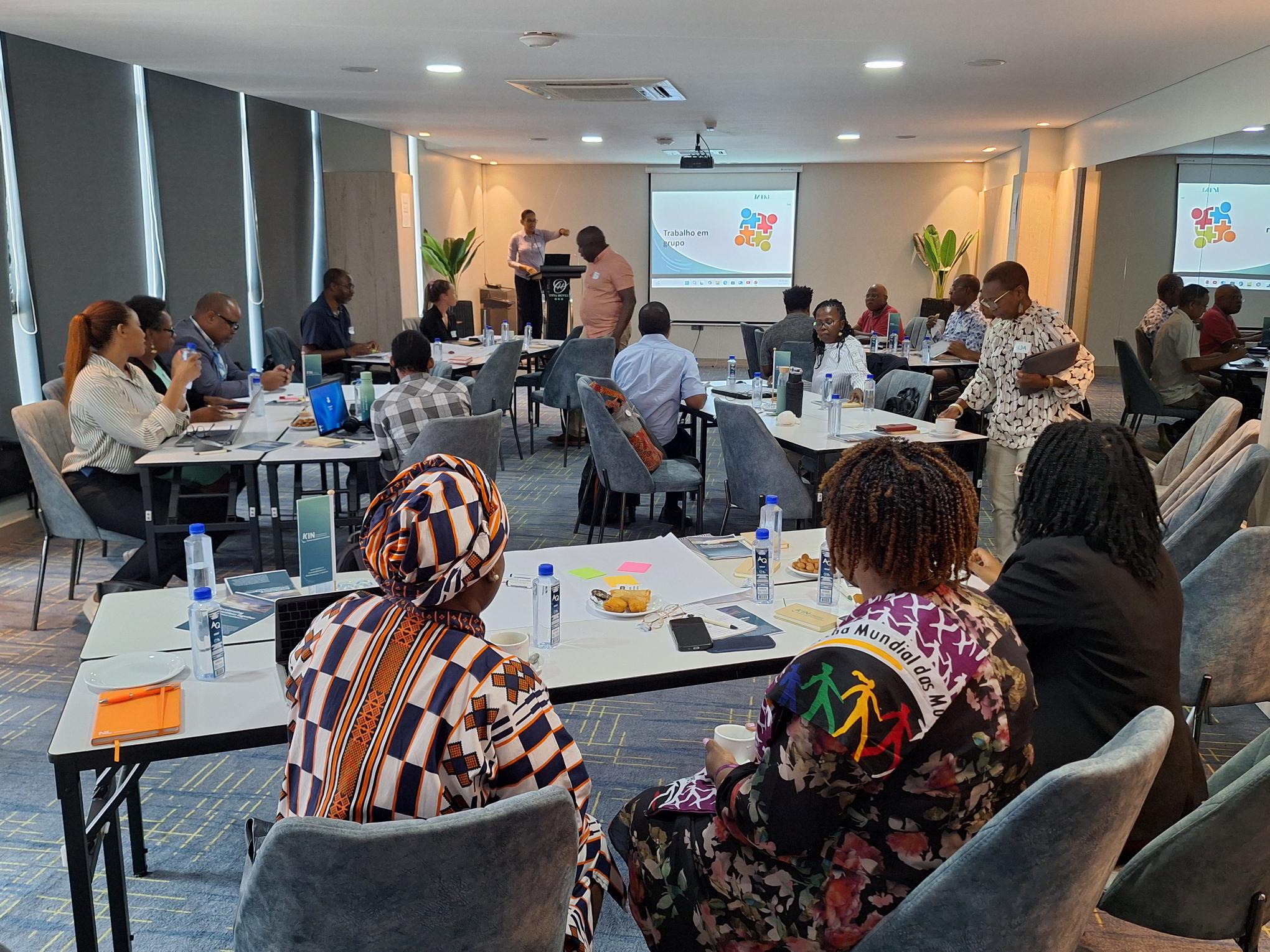
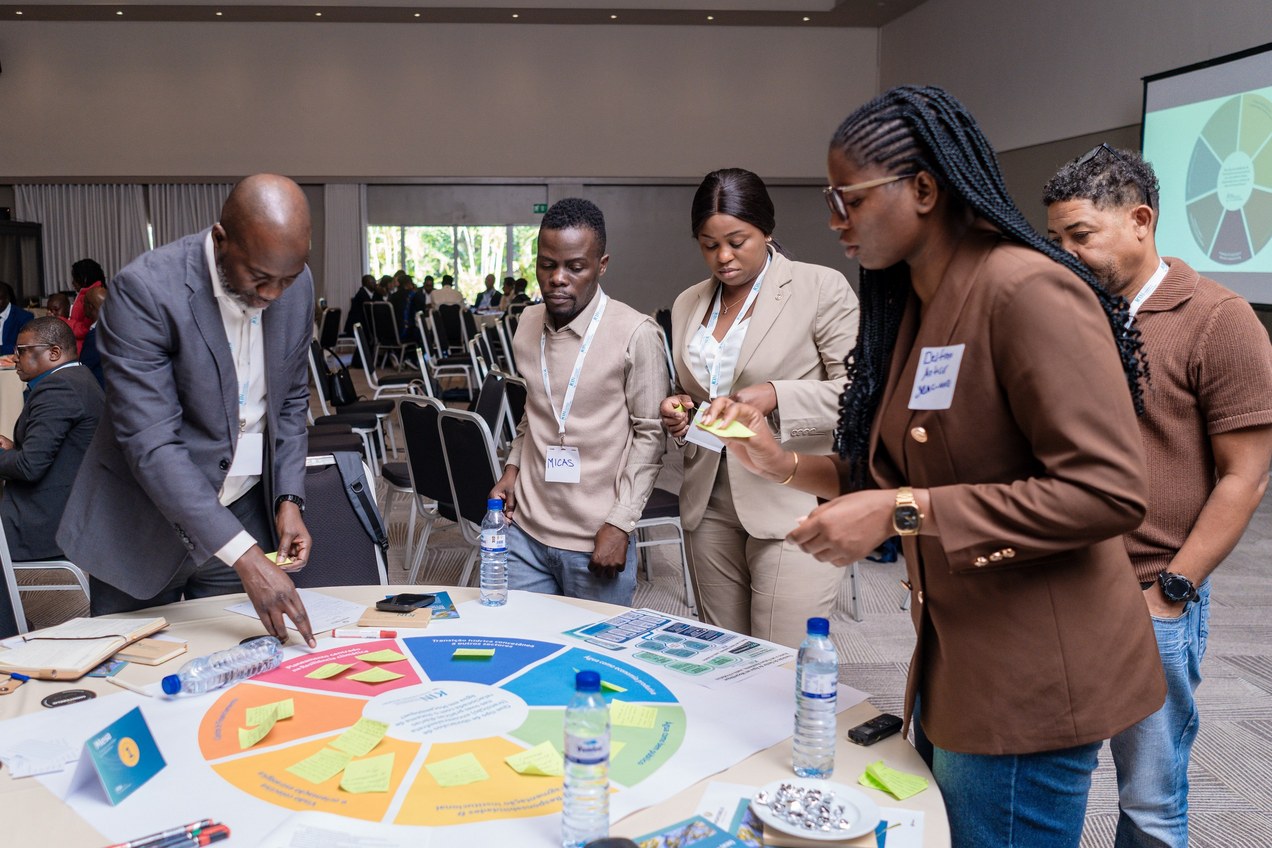
On 18 June 2026, an agenda-building workshop took place in Maputo. Agenda-building workshops are intensive, collaborative design sessions in which participants from different disciplines work together to identify key requirements for systemic transitions. They bring together diverse perspectives from research and practice. The aim of the workshop is to develop action and research in a new way – through co-creation – and to build a collective movement with a shared goal. The comprehensive report ‘Agenda-building workshop report – Co-creating a Knowledge-in-Action Agenda for Just & Climate-Resilient Water Management in Mozambique’, written by the Mozambican project team, is available in English via the button below, along with a summary in Portuguese.
Programme Committe Global Transitions
To monitor the quality of the activities within the Global Transitions programme line, a programme committee of international experts advices the KIN on its activities. It acts as a quality monitor for the programmes, focusing on both scientific and societal quality and the potential impact of the activities. The Programme Committee represents a diversity of national and international knowledge and expertise from various sectors. Read more about the Programme Committee Global Transitions via the button below.